

The Rise of Eco-Tourism in Pacitan, East Java takes center stage, showcasing a region where nature's beauty meets sustainable practices. Nestled in the southeastern corner of Java, Pacitan boasts stunning coastlines, verdant hills, and a rich cultural heritage. Historically, Pacitan's tourism revolved around its natural wonders, but a growing awareness of environmental responsibility has ushered in a new era. This shift has led to a flourishing eco-tourism scene, with local communities embracing sustainable practices to protect their environment and foster economic growth.
Pacitan's eco-tourism movement is fueled by a desire to preserve its unique ecosystems, from pristine beaches and coral reefs to lush rainforests and cascading waterfalls. This commitment to sustainability is evident in the region's numerous eco-lodges, community-based tourism initiatives, and conservation projects.
Introduction to Pacitan, East Java
Pacitan, nestled on the southern coast of East Java, Indonesia, is a captivating blend of natural beauty, rich history, and vibrant culture. Its pristine beaches, rugged cliffs, and lush green hills offer a breathtaking panorama, while its ancient temples and traditional art forms reveal a fascinating past. Pacitan's allure lies in its untouched natural landscapes, making it a haven for adventure seekers and nature enthusiasts.Geographical Location and Natural Beauty
Pacitan's geographical location plays a pivotal role in its unique charm. Situated on the southern coast of East Java, it boasts a diverse coastline, characterized by stunning beaches, dramatic cliffs, and hidden coves. The region is also home to the Klayar Beach, known for its iconic rock formations resembling a giant's hand, and the Srau Beach, famous for its pristine white sand and crystal-clear waters. Pacitan's natural beauty extends beyond its coastline, encompassing the lush green hills and valleys that surround the region. These landscapes provide a tranquil escape for those seeking a break from the hustle and bustle of city life.Historical and Cultural Significance
Pacitan's history is as rich and diverse as its natural landscape. The region has been inhabited for centuries, with evidence of ancient civilizations dating back to the Hindu-Buddhist period. This historical significance is evident in the numerous temples and archaeological sites scattered throughout the region. One notable example is the Punung Temple, a 9th-century Hindu temple complex, showcasing intricate carvings and architectural marvels. Pacitan's cultural heritage is also reflected in its traditional arts and crafts, such as batik, weaving, and wood carving. These crafts are passed down through generations, preserving the region's cultural identity.Previous State of Tourism in Pacitan
Before the rise of eco-tourism, Pacitan's tourism industry was relatively underdeveloped. While the region's natural beauty and cultural heritage attracted a small number of visitors, tourism infrastructure and marketing efforts were limited. This resulted in a lack of awareness about Pacitan's potential as a tourist destination, and the region remained largely undiscovered. The absence of well-developed facilities, such as accommodations, transportation, and tour operators, further hindered the growth of tourism. However, the potential for Pacitan to become a popular tourist destination was always present, waiting for the right opportunity to emerge.The Rise of Eco-Tourism in Pacitan
Pacitan, a hidden gem on the southern coast of East Java, has experienced a significant shift in its tourism landscape, embracing the principles of eco-tourism and sustainable practices. This transition has been driven by a combination of factors, including the growing global awareness of environmental concerns and the desire to preserve Pacitan's natural beauty for future generations.Factors Driving the Growth of Eco-Tourism
The rise of eco-tourism in Pacitan can be attributed to several key factors:- Growing Global Awareness of Environmental Concerns: The increasing awareness of climate change and the importance of sustainable travel has led to a surge in demand for eco-friendly tourism experiences. Travelers are actively seeking destinations that prioritize environmental protection and responsible tourism practices.
- Preservation of Pacitan's Natural Beauty: Pacitan boasts stunning natural landscapes, including pristine beaches, lush forests, and towering waterfalls. Eco-tourism initiatives aim to protect these natural assets and ensure their long-term preservation for future generations.
- Local Community Involvement: The success of eco-tourism in Pacitan is heavily reliant on the active participation of the local community. By empowering local communities to manage tourism activities and benefit from the economic opportunities it brings, eco-tourism fosters a sense of ownership and responsibility for environmental conservation.
Shift from Traditional Tourism to Sustainable Practices
The transition from traditional tourism to sustainable practices in Pacitan has involved a conscious effort to minimize the negative impacts of tourism on the environment and local communities. This shift has manifested in various ways:- Sustainable Accommodation: Eco-friendly accommodations are becoming increasingly popular in Pacitan, offering options such as eco-lodges, homestays, and glamping sites. These accommodations prioritize energy efficiency, waste reduction, and the use of locally sourced materials.
- Responsible Tourism Activities: Eco-tourism operators in Pacitan promote responsible activities that minimize environmental impact, such as snorkeling, diving, trekking, and birdwatching. These activities are conducted in a way that respects the natural environment and local customs.
- Waste Management and Recycling: Pacitan's tourism industry is actively working towards reducing waste and promoting recycling practices. Initiatives include the implementation of waste segregation systems, composting programs, and the use of reusable materials.
Impact of Eco-Tourism on the Local Community and Environment
The rise of eco-tourism in Pacitan has had a positive impact on both the local community and the environment:- Economic Empowerment: Eco-tourism has created new economic opportunities for local communities, providing employment in various sectors such as accommodation, tour guiding, and handicrafts.
- Conservation and Biodiversity Protection: By promoting sustainable practices, eco-tourism has contributed to the conservation of Pacitan's natural ecosystems and biodiversity. This includes the protection of endangered species, coral reefs, and mangrove forests.
- Cultural Preservation: Eco-tourism initiatives have helped to preserve Pacitan's rich cultural heritage by promoting traditional arts, crafts, and culinary traditions.
Key Eco-Tourism Attractions in Pacitan
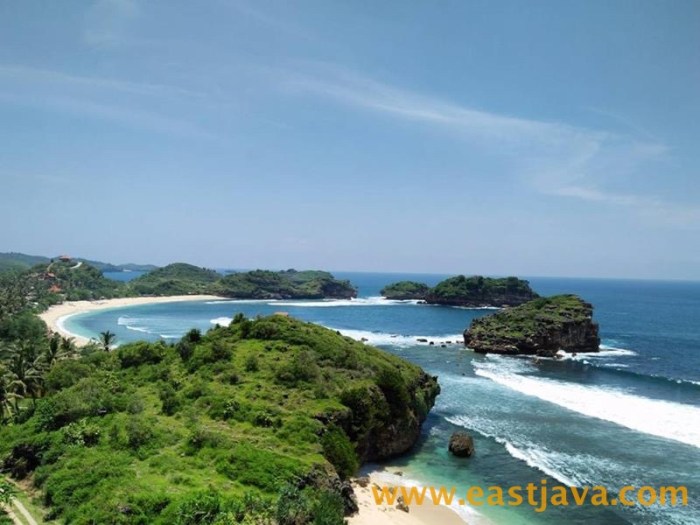 Pacitan, East Java, is not only known for its stunning beaches but also for its diverse eco-tourism attractions. The region boasts a rich natural landscape, including mountains, rivers, waterfalls, and caves, making it a paradise for nature enthusiasts and adventure seekers. This section will delve into the most popular eco-tourism destinations in Pacitan, highlighting their unique natural features, activities available for visitors, and the sustainable practices implemented to preserve these precious environments.
Popular Eco-Tourism Destinations in Pacitan
The following table presents a selection of the most popular eco-tourism destinations in Pacitan, showcasing their unique features and activities: | Destination | Unique Natural Features | Activities | Sustainable Practices | |---|---|---|---| | Klayar Beach | Known for its towering rock formations and unique "stone arch" that frames the ocean. | Swimming, sunbathing, snorkeling, rock climbing, photography. | Local communities are involved in beach management, ensuring clean beaches and responsible tourism practices. | | Srau Beach | A pristine beach with white sand and clear turquoise waters. | Swimming, sunbathing, surfing, kayaking, fishing. | Local communities are actively involved in beach clean-up initiatives and waste management. | | Pantai Watu Karung | A secluded beach with distinctive rock formations shaped like sacks of rice ("karung"). | Hiking, exploring the coastline, photography, enjoying the natural beauty. | Local communities promote responsible tourism practices and encourage visitors to respect the environment. | | Gong Gede Waterfall | A picturesque waterfall cascading down a steep cliff. | Hiking, swimming in the waterfall pools, enjoying the natural beauty. | Local communities manage the surrounding area, ensuring sustainable water usage and minimizing environmental impact. | | Goa Tabuhan | A large cave known for its unique acoustic properties, where the sound of the waves echoes inside. | Exploring the cave, listening to the sounds of the waves, photography. | Local communities are involved in managing the cave, promoting responsible tourism and preserving its natural beauty. |Detailed Descriptions of Eco-Tourism Destinations
Klayar Beach
Klayar Beach, also known as "Pantai Klayar," is renowned for its dramatic rock formations that rise from the white sand beach, creating a breathtaking landscape. The most iconic feature is the "stone arch," a natural rock formation that frames the ocean, offering a picturesque view. The beach's unique geology, shaped by centuries of erosion, attracts photographers and nature enthusiasts alike. Visitors can enjoy a variety of activities, including swimming in the clear waters, sunbathing on the soft sand, snorkeling to explore the marine life, and rock climbing on the towering rock formations. The beach is also a popular spot for surfing, especially during the wet season. To preserve the natural beauty of Klayar Beach, local communities are actively involved in beach management. They work together to ensure clean beaches, responsible tourism practices, and the protection of the unique rock formations. This collaborative effort helps to maintain the ecological balance of the beach and ensure its sustainability for future generations.Srau Beach
Srau Beach, located in the southern part of Pacitan, is a pristine paradise with white sand and crystal-clear turquoise waters. The beach is surrounded by lush vegetation and towering cliffs, offering a serene and picturesque setting. The calm waters and gentle waves make it an ideal spot for swimming, sunbathing, and enjoying the tranquility of nature. For those seeking more adventure, Srau Beach offers opportunities for surfing, kayaking, and fishing. The beach is known for its consistent waves, making it a popular destination for surfers of all levels. Kayaking allows visitors to explore the coastline and discover hidden coves and inlets. Fishing enthusiasts can cast their lines from the shore or hire a local guide for a deeper sea fishing experience. Local communities are actively involved in beach clean-up initiatives and waste management to ensure the sustainability of Srau Beach. They organize regular beach clean-ups, educate visitors about responsible tourism practices, and promote the use of reusable bags and containers. This commitment to environmental conservation helps to protect the pristine beauty of Srau Beach for future generations.Pantai Watu Karung
Pantai Watu Karung, a secluded beach located in the eastern part of Pacitan, is known for its distinctive rock formations shaped like sacks of rice ("karung"). These unique formations, created by years of erosion, add to the beach's charm and attract photographers and nature enthusiasts. The beach is relatively untouched and offers a peaceful escape from the hustle and bustle of everyday life. Visitors can enjoy hiking along the coastline, exploring the rock formations, and taking stunning photographs of the natural beauty. The beach is also a great place for simply relaxing and enjoying the tranquility of the surroundings. Local communities promote responsible tourism practices and encourage visitors to respect the environment. They emphasize the importance of minimizing waste, avoiding littering, and respecting the natural habitats of the local flora and fauna. This commitment to sustainability helps to preserve the pristine beauty of Pantai Watu Karung for future generations.Gong Gede Waterfall
Gong Gede Waterfall, nestled in the lush green mountains of Pacitan, is a picturesque cascade that plunges down a steep cliff. The waterfall's name, "Gong Gede," refers to the sound of the water hitting the rocks below, which resembles the sound of a large gong. The surrounding area is rich in biodiversity, with lush vegetation, towering trees, and abundant wildlife. Visitors can enjoy hiking to the waterfall, swimming in the refreshing pools below, and simply soaking in the natural beauty of the surroundings. The waterfall is a popular spot for picnics and enjoying the tranquility of nature. Local communities manage the surrounding area, ensuring sustainable water usage and minimizing environmental impact. They encourage visitors to use biodegradable soap and shampoo, minimize waste, and avoid littering. These practices help to preserve the pristine beauty of Gong Gede Waterfall and its surrounding environment.Goa Tabuhan
Goa Tabuhan, a large cave located on the coast of Pacitan, is known for its unique acoustic properties. The sound of the waves crashing against the shore echoes inside the cave, creating a mesmerizing sound experience. The cave is also home to a variety of rock formations, stalactites, and stalagmites, which add to its natural beauty. Visitors can explore the cave, listen to the sound of the waves, and take stunning photographs of the cave's interior. The cave is a popular destination for those seeking a unique and unforgettable experience. Local communities are involved in managing the cave, promoting responsible tourism and preserving its natural beauty. They ensure that visitors do not damage the cave's interior, encourage them to minimize waste, and educate them about the importance of preserving this natural wonder. These practices help to protect Goa Tabuhan and its unique acoustic properties for future generations.Benefits of Eco-Tourism for Pacitan: The Rise Of Eco-Tourism In Pacitan, East Java
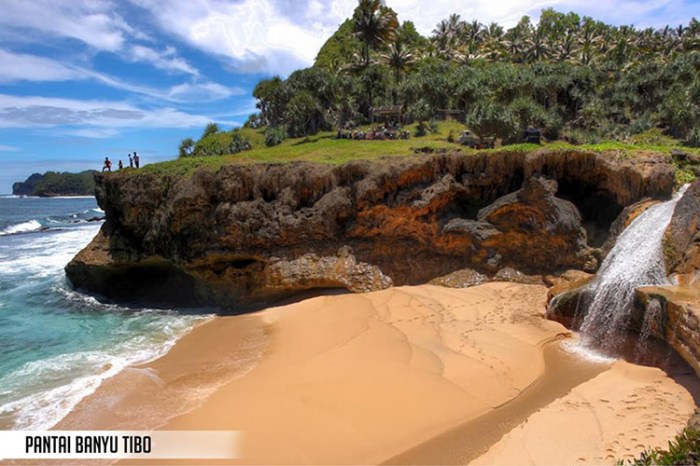 Pacitan's embrace of eco-tourism brings a multitude of benefits, not only to the environment but also to the local community. It's a win-win situation where sustainable practices and responsible tourism go hand-in-hand, fostering a brighter future for Pacitan.
Economic Benefits for the Local Community, The Rise of Eco-Tourism in Pacitan, East Java
Eco-tourism generates significant economic benefits for the local community in Pacitan. It creates new employment opportunities, boosts local businesses, and fosters sustainable economic development.- Job Creation: Eco-tourism initiatives create a range of jobs, from tour guides and hospitality staff to local artisans and farmers who supply goods and services to tourists. This directly contributes to the local economy and reduces unemployment rates.
- Increased Income for Local Businesses: Eco-tourism attracts visitors who are willing to spend money on local products, services, and experiences. This provides a boost to local businesses, including restaurants, souvenir shops, and transportation providers.
- Sustainable Economic Development: Eco-tourism promotes long-term economic growth by prioritizing sustainable practices. This ensures that the benefits of tourism are distributed fairly and that the local community benefits from tourism for generations to come.
Environmental Conservation and Sustainability
Eco-tourism plays a vital role in environmental conservation and sustainability. It promotes responsible tourism practices, reduces the negative impact of tourism on the environment, and fosters a deeper appreciation for nature.- Conservation of Natural Resources: Eco-tourism encourages responsible resource management, such as minimizing waste, conserving water, and protecting wildlife. This helps to preserve Pacitan's natural beauty for future generations.
- Environmental Education: Eco-tourism provides opportunities for tourists to learn about the local environment, its challenges, and the importance of conservation. This raises awareness and encourages sustainable practices among visitors.
- Community Involvement: Eco-tourism initiatives often involve local communities in conservation efforts, empowering them to protect their natural heritage and ensure its long-term sustainability.
Successful Eco-Tourism Initiatives in Pacitan
Pacitan has several successful eco-tourism initiatives that showcase the positive impact of responsible tourism. These initiatives serve as models for other destinations seeking to develop sustainable tourism.- The Klayar Beach Eco-Tourism Project: This project focuses on responsible tourism practices, such as waste management, beach cleanup initiatives, and educating visitors about the importance of protecting the beach ecosystem.
- The Gunung Kawi Eco-Tourism Village: This village promotes sustainable agriculture, traditional crafts, and homestays, offering visitors a unique cultural and natural experience while supporting local livelihoods.
- The Pacitan Marine Conservation Area: This area promotes responsible diving and snorkeling practices, ensuring the preservation of the rich marine biodiversity of Pacitan's coastline.
Challenges and Opportunities for Eco-Tourism in Pacitan
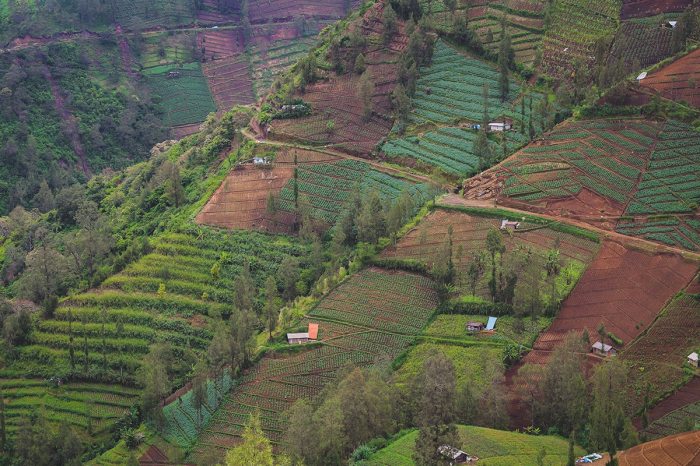 While Pacitan's eco-tourism scene is burgeoning, it faces various challenges that need to be addressed for sustainable growth. These challenges present opportunities for development and improvement, ensuring the long-term viability of eco-tourism in the region.
Infrastructure Development
Pacitan's infrastructure needs improvement to support the growing number of eco-tourists. This includes better road access to remote areas, improved transportation facilities, and enhanced accommodation options catering to diverse budgets and preferences.Community Engagement
Engaging local communities is crucial for eco-tourism's success. This involves empowering communities to participate in tourism activities, promoting cultural exchange, and ensuring fair economic benefits from tourism revenue.Environmental Protection
Maintaining the pristine natural environment is paramount. This requires strict environmental regulations, responsible waste management, and sustainable practices to minimize the ecological impact of tourism.Opportunities for Growth
Despite the challenges, Pacitan possesses several opportunities for eco-tourism growth. These include:Diversification of Tourism Products
Pacitan can expand its tourism offerings beyond its existing attractions. This includes developing new adventure activities, promoting cultural events, and creating unique experiences that cater to diverse interests.Marketing and Promotion
Investing in targeted marketing and promotion strategies is crucial to attract a wider audience. This includes leveraging online platforms, collaborating with travel agencies, and participating in tourism exhibitions.Capacity Building
Training local communities in tourism-related skills, such as hospitality, guiding, and entrepreneurship, is essential to enhance their capacity to participate in the tourism sector.Collaboration and Partnerships
Collaboration with government agencies, NGOs, and private sector stakeholders is vital to address challenges and leverage opportunities. This includes sharing resources, knowledge, and expertise to promote sustainable tourism development.Future Outlook for Eco-Tourism in Pacitan
Pacitan's commitment to eco-tourism presents a promising future for the region, with the potential to become a leading sustainable destination in Indonesia. By focusing on responsible tourism practices, Pacitan can create a thriving eco-tourism industry that benefits both the environment and the local community.Strategies for Promoting Sustainable Tourism Practices
Promoting sustainable tourism practices is crucial for the long-term success of eco-tourism in Pacitan. Implementing these strategies will ensure that the environment is protected and the local community benefits from tourism.- Educate Tourists and Local Communities: Raising awareness about the importance of eco-tourism and sustainable practices among tourists and local communities is essential. This can be achieved through educational programs, workshops, and signage at tourist attractions.
- Promote Responsible Tourism Practices: Encourage tourists to adopt responsible practices such as minimizing waste, conserving water, and respecting local customs and traditions. This can be achieved through brochures, online resources, and partnerships with local tour operators.
- Support Local Businesses: Encourage tourists to patronize local businesses that adhere to sustainable practices. This will create economic opportunities for the local community and contribute to the overall sustainability of the tourism industry.
- Develop Eco-Friendly Infrastructure: Invest in eco-friendly infrastructure such as solar-powered hotels, waste management systems, and public transportation options. This will reduce the environmental impact of tourism and enhance the visitor experience.
Contributions of Eco-Tourism to Long-Term Development
Eco-tourism has the potential to contribute significantly to the long-term development of Pacitan, by creating economic opportunities, preserving the environment, and improving the quality of life for local communities.- Economic Growth and Job Creation: Eco-tourism can create new jobs in sectors such as hospitality, transportation, and tour guiding. This can help to boost the local economy and reduce poverty.
- Environmental Conservation: Eco-tourism can help to protect the environment by promoting sustainable practices and supporting conservation efforts. This can help to preserve Pacitan's natural beauty and biodiversity.
- Community Empowerment: Eco-tourism can empower local communities by giving them a stake in the tourism industry. This can help to improve their livelihoods and enhance their sense of ownership over their natural resources.
Epilogue
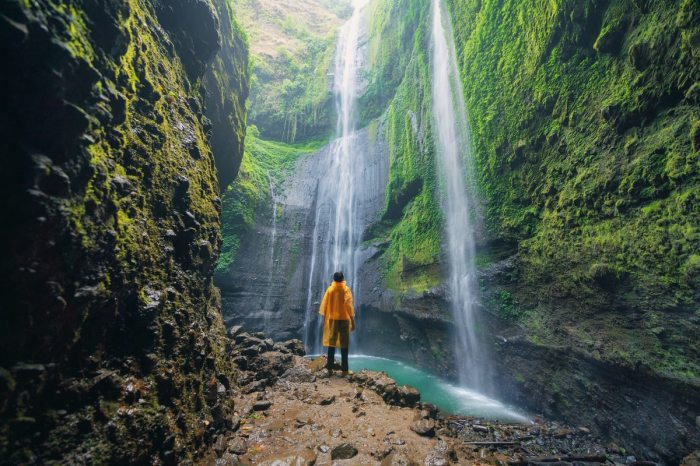
As Pacitan continues to embrace eco-tourism, its future looks bright. The region's commitment to sustainable practices is paving the way for a thriving tourism industry that benefits both the environment and local communities. By prioritizing conservation, fostering community engagement, and promoting responsible travel, Pacitan is setting an example for sustainable tourism development in Indonesia and beyond. Visitors can experience the region's natural wonders while contributing to its long-term well-being, ensuring that future generations can enjoy the same breathtaking beauty.