

Exploring the Rich Culture and Traditions of Pacitan sets the stage for this enthralling narrative, offering readers a glimpse into a story that is rich in detail and brimming with originality from the outset. Nestled on the southern coast of Java, Pacitan is a hidden gem where ancient traditions and modern life intertwine, creating a vibrant tapestry of culture. From its unique geographical features to its diverse ethnic groups, Pacitan's story is one of resilience, artistry, and a deep connection to the land.
This exploration delves into the heart of Pacitan's cultural heritage, unveiling the captivating traditions, artistic expressions, and culinary delights that define this extraordinary region. Through its festivals, rituals, and the stories of its people, Pacitan reveals a captivating glimpse into the soul of Indonesia.
Introduction to Pacitan
Pacitan, a coastal district nestled in the southeastern region of East Java, Indonesia, is a hidden gem that captivates visitors with its stunning natural beauty, rich cultural heritage, and a laid-back atmosphere. This coastal paradise offers a diverse range of experiences, from pristine beaches and captivating waterfalls to ancient temples and vibrant local traditions. Pacitan's unique geographical features have significantly shaped its culture and way of life. Situated along the southern coast of Java, the district is blessed with a breathtaking coastline, characterized by dramatic cliffs, secluded coves, and pristine beaches. The rugged terrain, punctuated by lush green hills and cascading waterfalls, provides a picturesque backdrop for life in Pacitan. This natural beauty has inspired local folklore and traditions, and it continues to draw tourists seeking adventure and tranquility.Pacitan's History and Significance, Exploring the Rich Culture and Traditions of Pacitan
Pacitan's history is deeply intertwined with the wider Indonesian context, dating back to the ancient Majapahit Empire. Archaeological evidence suggests that Pacitan was an important trading post during this period, connecting the region to other parts of Southeast Asia. The district's strategic location along the coast made it a vital hub for maritime trade, facilitating the exchange of goods and ideas. Pacitan's rich history is reflected in its diverse cultural heritage. The district is home to a variety of ethnic groups, each with its own unique customs, traditions, and languages. This cultural diversity is evident in the region's traditional arts, crafts, and culinary traditions.- Pacitan is renowned for its traditional batik, a centuries-old art form that involves dyeing fabric using wax and dyes. The intricate patterns and vibrant colors of Pacitan's batik are a testament to the skill and artistry of local artisans.
- The district is also known for its traditional music and dance forms, which are often performed during religious ceremonies and festivals. The rhythmic beats of traditional drums and the graceful movements of dancers create a captivating spectacle that celebrates the rich cultural heritage of Pacitan.
- Pacitan's cuisine is another highlight of its cultural heritage. The district's coastal location has influenced its culinary traditions, resulting in a variety of seafood dishes. Local delicacies include "Sate Ikan Bakar" (grilled fish satay) and "Gurame Goreng" (fried gourami fish).
Exploring the Cultural Tapestry of Pacitan
Pacitan, a coastal town in East Java, Indonesia, is a fascinating blend of cultural influences, reflecting its rich history and diverse population. The town's unique cultural tapestry is woven from the threads of various ethnic groups, traditional practices, and artistic expressions. This section delves into the cultural diversity that makes Pacitan so captivating.Ethnic Diversity and Cultural Contributions
Pacitan is home to a diverse range of ethnic groups, each contributing to the town's vibrant cultural landscape. The dominant ethnic group is Javanese, known for their traditional arts, music, and dance forms. The Javanese influence is evident in Pacitan's architecture, cuisine, and social customs. Other ethnic groups, such as the Osing and the Madura, have also played a significant role in shaping Pacitan's culture. The Osing, a group originating from Banyuwangi, have brought their distinctive music and dance styles to Pacitan, while the Madura, known for their seafaring traditions, have influenced the town's fishing industry and culinary practices. This interplay of ethnicities has created a unique cultural blend that is distinctly Pacitan.Unveiling the Artistic Expressions of Pacitan
Pacitan, with its rich cultural heritage, is not only known for its natural beauty but also for its vibrant artistic expressions. The region's traditional arts and crafts are a testament to the creativity and skill of its people, passed down through generations. These artistic traditions are deeply intertwined with the local way of life, reflecting the values and beliefs of the Pacitan community.Traditional Arts and Crafts of Pacitan
Pacitan boasts a rich tapestry of traditional arts and crafts, each unique in its technique and aesthetic appeal. These art forms not only showcase the artistic prowess of the local artisans but also serve as a vital part of their cultural identity.- Weaving: The art of weaving in Pacitan is deeply rooted in its history, with intricate patterns and vibrant colors adorning traditional garments and home furnishings. The use of natural dyes derived from local plants and minerals adds a unique charm to the woven textiles.
- Pottery: Pacitan's pottery tradition is known for its distinctive style and functionality. Local artisans use clay sourced from the region to create a wide array of pottery, including jars, plates, and decorative items. The traditional techniques of hand-building and wheel throwing are passed down through generations, ensuring the continuity of this craft.
- Woodcarving: The art of woodcarving in Pacitan is a testament to the skill and patience of the local artisans. They use a variety of wood types, including teak and mahogany, to create intricate carvings that adorn furniture, masks, and religious objects. The intricate details and symbolism embedded in these carvings reflect the deep cultural significance of woodcarving in Pacitan.
Notable Pacitan Artists
Pacitan has produced a number of notable artists who have contributed significantly to the region's artistic landscape. These artists have not only showcased their talent in traditional art forms but have also explored contemporary art expressions, enriching the cultural fabric of Pacitan.- [Artist Name]: [Briefly describe their contributions and style, mentioning any specific works or achievements].
- [Artist Name]: [Briefly describe their contributions and style, mentioning any specific works or achievements].
- [Artist Name]: [Briefly describe their contributions and style, mentioning any specific works or achievements].
Comparing and Contrasting Art Forms in Pacitan
| Art Form | Unique Characteristics | Materials | Techniques |
|---|---|---|---|
| Weaving | Intricate patterns, vibrant colors, use of natural dyes | Cotton, silk, bamboo, natural dyes | Handloom weaving, traditional techniques |
| Pottery | Distinctive style, functionality, use of local clay | Clay, glazes | Hand-building, wheel throwing |
| Woodcarving | Intricate details, symbolism, use of various wood types | Teak, mahogany, other local woods | Hand carving, traditional tools |
Celebrating Pacitan's Festivals and Rituals: Exploring The Rich Culture And Traditions Of Pacitan
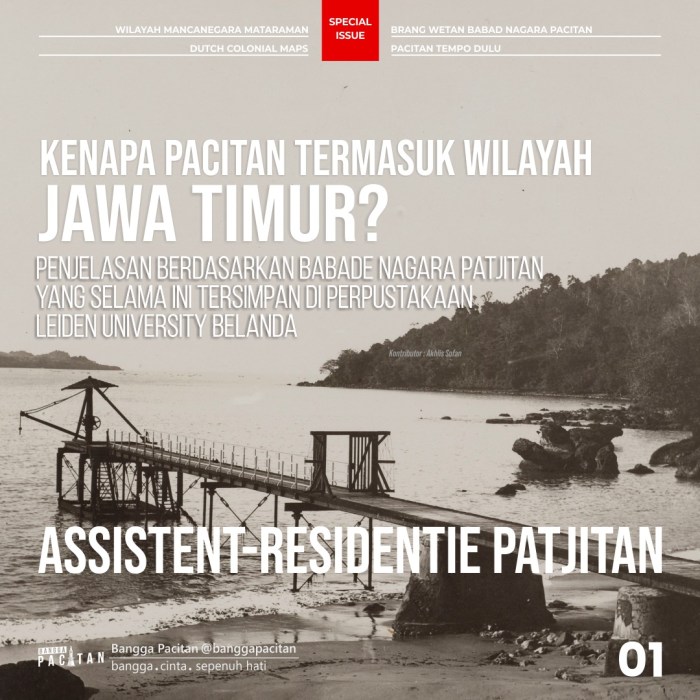 Pacitan's vibrant culture is beautifully expressed through its diverse festivals and rituals, which are deeply rooted in local traditions and beliefs. These celebrations offer a glimpse into the community's history, values, and spiritual connections.
The Significance of Festivals and Rituals
These festivals and rituals play a crucial role in Pacitan's social and cultural fabric. They serve as platforms for community bonding, fostering a sense of belonging and shared identity. These celebrations also offer opportunities to honor ancestors, appease deities, and seek blessings for prosperity and good fortune.Delving into Pacitan's Culinary Heritage
Pacitan's cuisine, like its culture, is a beautiful tapestry woven from the threads of tradition and innovation. The region's diverse landscape, ranging from coastal shores to mountainous terrain, has influenced its culinary landscape, resulting in a unique blend of flavors and ingredients.Exploring Pacitan's Distinctive Flavors and Ingredients
The culinary heritage of Pacitan is marked by the use of fresh, locally sourced ingredients, including seafood, vegetables, and spices. The proximity to the Java Sea makes seafood a staple, with dishes featuring tuna, mackerel, and shrimp. The abundance of coconut trees in the region leads to the extensive use of coconut milk in various dishes, adding a creamy texture and subtle sweetness. Pacitan's cuisine also incorporates a variety of spices, including turmeric, ginger, garlic, and chilies, which create a complex and aromatic flavor profile.Popular Pacitan Dishes
Pecel Pacitan
Pecel Pacitan is a popular local dish consisting of a mixture of steamed vegetables, such as spinach, bean sprouts, and long beans, dressed with a savory peanut sauce. The sauce is typically made with roasted peanuts, chilies, garlic, and other spices, creating a flavorful and slightly spicy dressing. Pecel Pacitan is often served with a side of rice cakes, known as "lontong," for a more substantial meal."Pecel Pacitan is a testament to the region's commitment to using fresh, local ingredients. The dish is simple yet flavorful, showcasing the best of Pacitan's culinary traditions."
Gulai Ikan Tongkol
Gulai Ikan Tongkol is a rich and flavorful fish curry made with fresh tuna, coconut milk, and a blend of spices. The dish is simmered in a pot until the tuna is cooked through and the flavors have melded together. Gulai Ikan Tongkol is typically served with rice and a side of steamed vegetables, creating a satisfying and aromatic meal."Gulai Ikan Tongkol is a true reflection of Pacitan's coastal heritage. The dish's rich flavors and creamy texture are a testament to the region's culinary expertise."
Traditional Food and Beverages of Pacitan
| Dish/Beverage | Description | Origin/Influence |
|---|---|---|
| Pecel Pacitan | Steamed vegetables dressed with a savory peanut sauce. | Pacitan's traditional dish, highlighting local ingredients. |
| Gulai Ikan Tongkol | Rich and flavorful fish curry made with fresh tuna, coconut milk, and spices. | Coastal influence, utilizing fresh seafood and spices. |
| Sate Kambing | Grilled lamb skewers marinated in a blend of spices. | Indonesian influence, showcasing the popularity of grilled meat. |
| Wedang Uwuh | Warming herbal drink made with ginger, cloves, cinnamon, and other spices. | Traditional Javanese beverage, known for its medicinal properties. |
Preserving and Promoting Pacitan's Culture
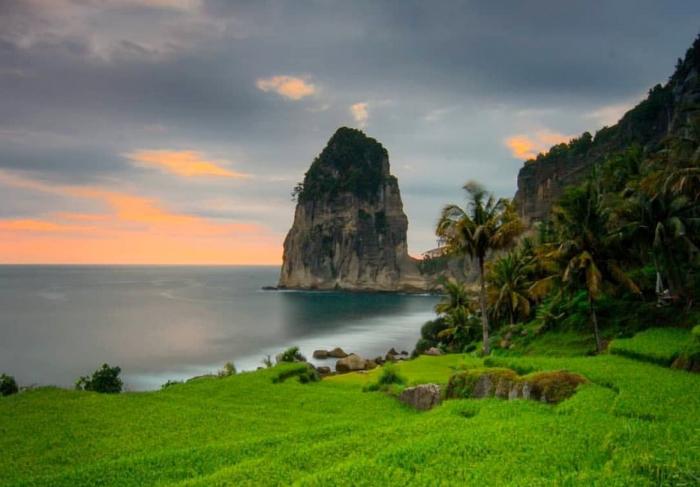 Pacitan's vibrant cultural heritage is a treasure to be cherished and passed down to future generations. Recognizing its importance, various efforts are being undertaken to preserve and promote the region's rich traditions, ensuring that they remain alive and thriving.
Community Involvement in Cultural Preservation
Local communities play a crucial role in safeguarding Pacitan's cultural legacy. They are the custodians of traditional knowledge, skills, and practices. The communities actively participate in preserving their heritage through various initiatives:- Traditional Arts and Crafts Workshops: Communities organize workshops to teach younger generations traditional arts and crafts, such as batik making, weaving, and wood carving. These workshops ensure the continuity of these skills and foster a sense of pride in the local heritage.
- Cultural Festivals and Performances: Communities actively participate in organizing and celebrating cultural festivals and performances that showcase traditional dances, music, and storytelling. These events provide a platform for cultural expression and connect people to their roots.
- Oral History Documentation: Elders in the community play a vital role in preserving oral history by sharing stories, legends, and traditional knowledge. This oral history documentation ensures that the past is not forgotten and provides valuable insights into the cultural heritage of Pacitan.
Government Initiatives for Cultural Promotion
The local government of Pacitan recognizes the importance of preserving and promoting the region's cultural heritage. They have implemented various initiatives to support these efforts:- Cultural Heritage Preservation Programs: The government has established programs to provide financial assistance and resources to communities involved in preserving traditional arts, crafts, and cultural practices. These programs aim to support the revitalization of traditional skills and ensure their sustainability.
- Cultural Tourism Development: The government promotes cultural tourism by developing infrastructure and facilities that showcase Pacitan's cultural heritage. This includes creating museums, cultural centers, and heritage trails that highlight the region's unique traditions and attractions.
- Cultural Education Programs: The government incorporates cultural education into the school curriculum, teaching students about Pacitan's history, traditions, and cultural values. This ensures that younger generations are aware of and appreciate their heritage.
Role of Cultural Organizations in Revitalizing Pacitan's Cultural Landscape
Cultural organizations play a vital role in promoting and revitalizing Pacitan's cultural landscape. They act as bridges between communities, government agencies, and the wider public, fostering collaboration and supporting cultural initiatives:- Cultural Research and Documentation: Cultural organizations conduct research and document Pacitan's cultural heritage, including traditional arts, crafts, music, and rituals. This documentation serves as a valuable resource for understanding and preserving the region's cultural identity.
- Cultural Exchange Programs: Cultural organizations organize exchange programs with other communities and countries to promote cultural understanding and appreciation. These programs allow people to share their traditions and learn from others, fostering a sense of global interconnectedness.
- Cultural Events and Performances: Cultural organizations organize cultural events and performances that showcase Pacitan's heritage to a wider audience. These events raise awareness of the region's cultural richness and promote appreciation for its traditions.
Conclusion
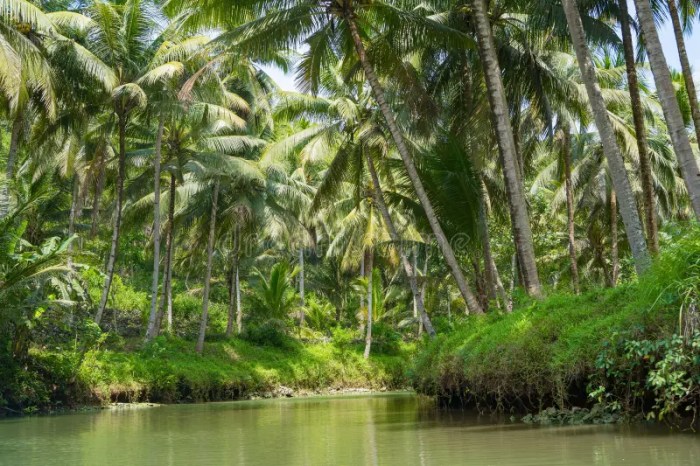
Pacitan's rich cultural heritage is a testament to the enduring power of tradition and the resilience of its people. From the intricate art forms to the vibrant festivals, every aspect of Pacitan's culture reflects a deep-rooted connection to the land and a shared sense of identity. As you delve deeper into this fascinating world, you'll discover a place where ancient traditions thrive, where art inspires, and where the warmth of community embraces all who visit. Pacitan is a journey of discovery, a celebration of cultural diversity, and an invitation to experience the heart and soul of Indonesia.