

Exploring the Diverse Marine Life at Watu Karung Beach, a hidden gem nestled on the coast of [Insert Location], offers a captivating glimpse into the vibrant underwater world. Watu Karung Beach is not just a picturesque paradise; it's a haven for marine biodiversity, boasting a diverse array of fish, corals, invertebrates, and even marine mammals. This unique ecosystem, shaped by its geographical location and pristine waters, makes it an ideal destination for marine life enthusiasts.
The beach's sheltered cove and clear waters create a perfect environment for a plethora of marine life to thrive. From vibrant coral reefs teeming with colorful fish to the gentle giants of the ocean, Watu Karung Beach offers a unique opportunity to witness the beauty and complexity of the marine ecosystem.
Introduction to Watu Karung Beach
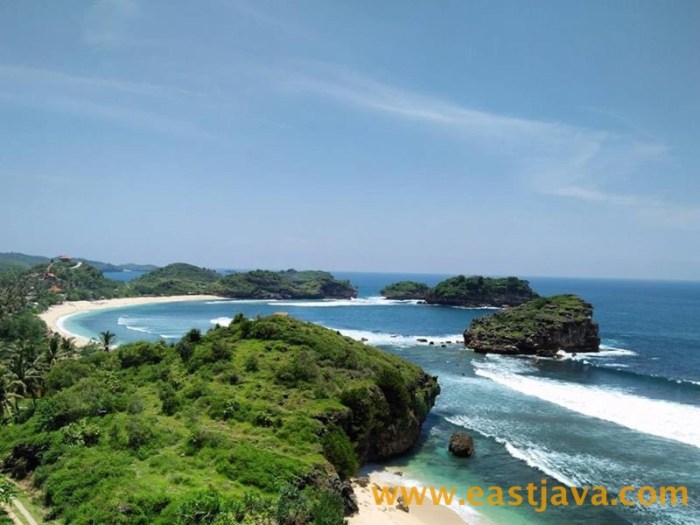 Nestled on the southern coast of Java, Indonesia, Watu Karung Beach stands as a testament to the island's captivating beauty and diverse marine life. Situated near the bustling city of Yogyakarta, this beach is a haven for those seeking a tranquil escape amidst nature's wonders.
The beach's name, "Watu Karung," translates to "Sack Stone" in Indonesian, a reference to the large, smooth rocks that dot the shoreline. These rocks are a unique characteristic of Watu Karung Beach, providing a dramatic backdrop to the pristine white sand and turquoise waters. The presence of these rocks creates a diverse underwater landscape, offering a variety of habitats for marine life to thrive.
Nestled on the southern coast of Java, Indonesia, Watu Karung Beach stands as a testament to the island's captivating beauty and diverse marine life. Situated near the bustling city of Yogyakarta, this beach is a haven for those seeking a tranquil escape amidst nature's wonders.
The beach's name, "Watu Karung," translates to "Sack Stone" in Indonesian, a reference to the large, smooth rocks that dot the shoreline. These rocks are a unique characteristic of Watu Karung Beach, providing a dramatic backdrop to the pristine white sand and turquoise waters. The presence of these rocks creates a diverse underwater landscape, offering a variety of habitats for marine life to thrive.
Biodiversity in the Surrounding Waters
The waters surrounding Watu Karung Beach are a treasure trove of biodiversity, teeming with a vibrant array of marine life. The area is home to a rich coral reef ecosystem, providing shelter and sustenance for a wide range of fish species, invertebrates, and other marine organisms.- Fish: The waters around Watu Karung Beach are home to a diverse range of fish species, including colorful reef fish, such as butterflyfish, angelfish, and parrotfish, as well as larger pelagic fish, like tuna and barracuda.
- Invertebrates: The coral reefs are also home to a variety of invertebrates, including sea anemones, sea stars, sea urchins, and crabs.
- Other Marine Life: The area is also home to sea turtles, dolphins, and even the occasional whale shark, which are known to visit the waters off the coast of Java.
Diverse Marine Life at Watu Karung Beach
 Watu Karung Beach is not only a breathtaking coastal paradise but also a haven for a remarkable diversity of marine life. The warm, clear waters and vibrant coral reefs create a thriving ecosystem teeming with a multitude of species. From colorful fish to graceful marine mammals, the underwater world at Watu Karung is a captivating spectacle.
Exploring the Marine Biodiversity
The rich biodiversity of Watu Karung Beach can be categorized into different groups, each playing a crucial role in maintaining the delicate balance of the marine ecosystem.| Category | Species | Description | Significance |
|---|---|---|---|
| Fish | Clownfish (Amphiprioninae) | These brightly colored fish are known for their symbiotic relationship with anemones, finding shelter and protection within their stinging tentacles. | Clownfish help control the population of algae and other invertebrates, contributing to the health of the coral reefs. |
| Corals | Staghorn Coral (Acropora cervicornis) | This branching coral species is characterized by its rapid growth rate and provides habitat for a wide variety of marine life. | Staghorn coral plays a vital role in providing shelter, food, and breeding grounds for countless organisms, contributing to the overall resilience of the reef ecosystem. |
| Invertebrates | Sea Stars (Asteroidea) | These fascinating creatures are known for their radial symmetry and predatory habits, feeding on mussels, barnacles, and other invertebrates. | Sea stars help regulate the population of other invertebrates, preventing any single species from dominating the ecosystem. |
| Marine Mammals | Dolphins (Delphinus) | These highly intelligent and social animals are often spotted swimming in the waters near Watu Karung Beach, delighting visitors with their playful antics. | Dolphins play an important role in maintaining the health of the marine ecosystem by controlling the population of fish and other prey species. |
Coral Reefs and Their Importance: Exploring The Diverse Marine Life At Watu Karung Beach
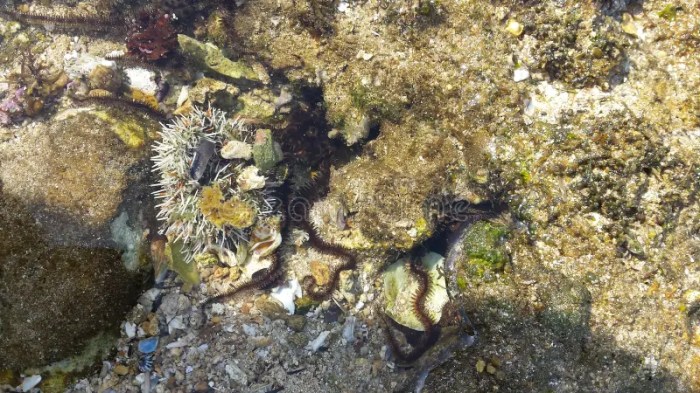 Watu Karung Beach is blessed with vibrant and diverse coral reefs that contribute significantly to the area's rich marine ecosystem. These underwater cities are home to a dazzling array of marine life, making them a key attraction for divers and snorkelers alike.
Types of Corals and Their Unique Features, Exploring the Diverse Marine Life at Watu Karung Beach
Coral reefs are formed by tiny animals called coral polyps, which secrete a hard, calcium carbonate skeleton. Over time, these skeletons accumulate, forming the intricate structures that we recognize as coral reefs. The coral reefs around Watu Karung Beach are home to a variety of coral species, each with its own unique features:- Staghorn Coral (Acropora cervicornis): This branching coral species is known for its rapid growth rate and its resemblance to a stag's antlers. It provides important habitat for a variety of fish and invertebrates.
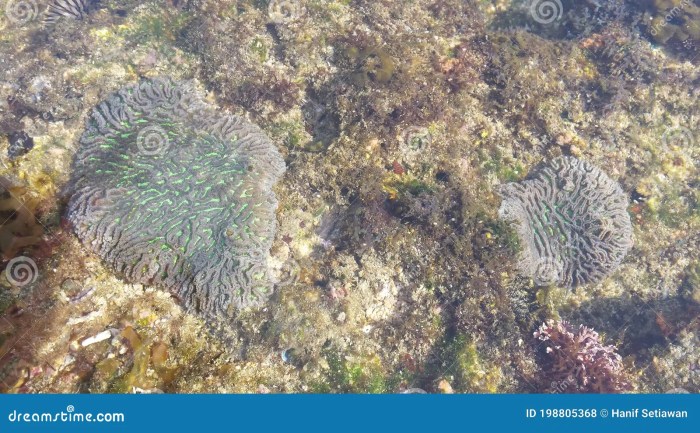
- Brain Coral (Colpophyllia natans): This massive coral species gets its name from its brain-like surface, which is covered in grooves and ridges. It is a slow-growing species that can live for hundreds of years.
- Table Coral (Acropora hyacinthus): This species forms flat, table-like structures that can grow to impressive sizes. It is a vital habitat for many fish and invertebrates.
The Role of Coral Reefs in Supporting Marine Biodiversity
Coral reefs play a crucial role in supporting marine biodiversity by providing shelter, food, and breeding grounds for a wide range of marine organisms. They are often referred to as the "rainforests of the sea" because of their incredible biodiversity.- Habitat for Marine Life: Coral reefs provide a complex and diverse habitat for thousands of species of fish, invertebrates, and other marine organisms. The intricate structure of the reef offers a variety of hiding places, feeding grounds, and breeding areas.
- Food Source: Coral reefs are a rich source of food for many marine animals. The algae that live within the coral polyps provide a primary food source for many herbivores, while the coral itself provides food for a variety of predators.
- Coastal Protection: Coral reefs act as natural barriers that protect coastlines from erosion and storm damage. The reefs break the force of waves, reducing the impact of storms and protecting coastal communities.
Threats to Coral Reefs
Despite their importance, coral reefs are facing a number of threats, including:- Climate Change: Rising ocean temperatures and ocean acidification are major threats to coral reefs. Warming waters can cause coral bleaching, a phenomenon where corals lose their symbiotic algae and turn white. Ocean acidification makes it difficult for corals to build their skeletons.
- Pollution: Runoff from agriculture, sewage, and industrial activities can pollute coral reefs, leading to disease and death.
- Overfishing: Overfishing can disrupt the balance of the coral reef ecosystem, leading to the decline of important fish species and the proliferation of algae.
- Destructive Fishing Practices: Practices like dynamite fishing and cyanide fishing can cause widespread damage to coral reefs.
Conservation Efforts
There are a number of conservation efforts underway to protect coral reefs, including:- Marine Protected Areas: Establishing marine protected areas helps to reduce fishing pressure and protect coral reefs from other threats.
- Coral Restoration: Scientists and conservationists are working to restore damaged coral reefs by transplanting coral fragments or growing corals in nurseries.
- Education and Outreach: Raising awareness about the importance of coral reefs and the threats they face is crucial for promoting conservation efforts.
Marine Conservation and Sustainability
The vibrant marine ecosystem at Watu Karung Beach is a precious resource that requires careful management and protection. Sustainable practices are essential to ensure the long-term health of the coral reefs, diverse marine life, and the livelihoods of local communities that depend on them.Responsible Tourism Practices
Responsible tourism is crucial for minimizing the impact of human activities on the marine environment. By embracing sustainable practices, tourists can contribute to the conservation of Watu Karung Beach's underwater wonders.- Snorkeling and Diving Guidelines: Adhering to designated snorkeling and diving areas, avoiding touching or disturbing marine life, and using reef-friendly sunscreen are essential practices that minimize damage to coral reefs and delicate ecosystems.
- Waste Management: Proper waste disposal is vital to prevent pollution of the ocean. Tourists should dispose of trash responsibly, using designated bins and avoiding littering on the beach and in the water.
- Respecting Marine Life: Tourists should refrain from feeding or harassing marine animals. Feeding wild animals disrupts their natural behavior and can lead to health problems.
- Supporting Local Businesses: Choosing eco-conscious businesses that prioritize sustainable practices and contribute to conservation efforts helps support the preservation of the marine environment.
Local Conservation Initiatives
Several local organizations and initiatives are actively working towards marine conservation in the Watu Karung Beach area. These efforts play a vital role in protecting the fragile marine ecosystem and promoting sustainable practices.- Community-Based Conservation Groups: Local communities are often at the forefront of conservation efforts. These groups actively participate in reef monitoring, waste management, and educational programs to raise awareness about the importance of marine conservation.
- Marine Research Institutions: Research institutions conduct studies on marine life and coral reef health, providing valuable data for conservation strategies. Their findings contribute to informed decision-making regarding marine management practices.
- Government Agencies: Government agencies play a crucial role in establishing and enforcing regulations that protect marine resources. They work with local communities and conservation organizations to ensure the sustainability of the marine environment.
Exploring the Underwater World
 Watu Karung Beach offers a variety of ways to experience its vibrant marine life. From snorkeling and diving to glass-bottom boat tours, there are options for all levels of experience and comfort. Each activity provides a unique perspective on the underwater ecosystem, allowing visitors to witness the beauty and diversity of the marine life.
Best Time for Marine Life Viewing
The best time to visit Watu Karung Beach for optimal marine life viewing is during the dry season, which runs from April to October. During this period, the water is typically calm and clear, providing excellent visibility for underwater exploration. The warm, sunny weather also makes it a pleasant time to be outdoors.Responsible Underwater Exploration
Responsible underwater exploration is crucial for protecting the delicate marine environment. Here are some tips to ensure you minimize your impact:- Avoid touching or disturbing coral reefs and marine life. Coral reefs are fragile ecosystems, and even a light touch can cause damage.
- Use reef-safe sunscreen. Traditional sunscreens contain chemicals that can harm coral and other marine organisms. Choose a sunscreen that is labeled as reef-safe and contains mineral-based ingredients like zinc oxide or titanium dioxide.
- Stay aware of your surroundings. Be mindful of the marine life you encounter and avoid disturbing their natural behavior.
- Do not litter. Dispose of all trash properly, and avoid using single-use plastics.
- Support sustainable tourism operators. Choose tour operators that prioritize environmental protection and responsible practices.
Last Recap
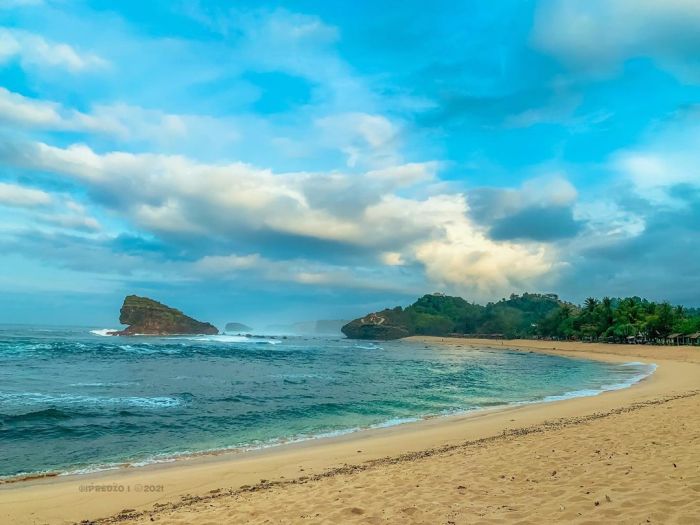
Watu Karung Beach is more than just a beautiful destination; it's a reminder of the importance of marine conservation and sustainable practices. By embracing responsible tourism and supporting local initiatives, we can ensure that this underwater paradise continues to thrive for generations to come. Whether you're an experienced diver or simply seeking a glimpse into the underwater world, Watu Karung Beach offers a captivating experience that will leave you in awe of the ocean's wonders.