

The Best Time of Year to Photograph Watu Karung’s Waves, a renowned surf spot in Indonesia, is a question that often arises among photographers seeking to capture its dramatic beauty. Watu Karung, meaning "Stone Sack" in Indonesian, is a coastal area known for its powerful waves that attract surfers from around the world. The waves are a breathtaking sight, especially during the monsoon season when they swell to their most impressive heights. The unique combination of strong currents, wind patterns, and tidal variations create a dynamic and unpredictable environment that offers photographers a unique opportunity to capture the raw power of nature.
The allure of Watu Karung's waves for photographers lies in their dynamic nature and the sheer energy they exude. The crashing waves, the swirling foam, and the spray that shoots high into the air all create a captivating spectacle. Photographers are drawn to this location to capture the raw beauty of the waves and the surfers who ride them, seeking to immortalize these fleeting moments of action and grace.
Introduction
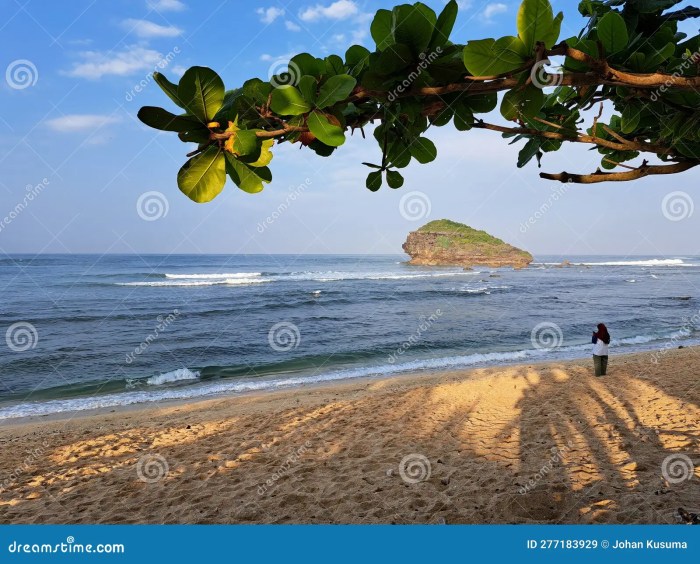 Watu Karung, located on the southern coast of Java, Indonesia, is a renowned surf spot known for its powerful, fast-moving waves. These waves are a sight to behold, attracting surfers and photographers alike. The waves at Watu Karung are renowned for their consistent quality and impressive size, offering an exhilarating experience for both surfers and spectators.
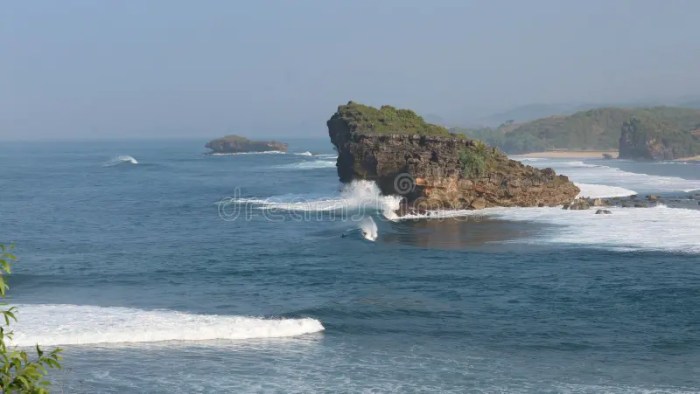
Watu Karung is a popular destination for photographers because of its dramatic landscape and the captivating spectacle of the waves. The rugged cliffs, pristine beaches, and vibrant turquoise waters create a stunning backdrop for capturing the raw power and beauty of the waves. The combination of natural elements and the dynamic energy of the surfers makes Watu Karung a photographer's paradise.
Watu Karung, located on the southern coast of Java, Indonesia, is a renowned surf spot known for its powerful, fast-moving waves. These waves are a sight to behold, attracting surfers and photographers alike. The waves at Watu Karung are renowned for their consistent quality and impressive size, offering an exhilarating experience for both surfers and spectators.
Watu Karung is a popular destination for photographers because of its dramatic landscape and the captivating spectacle of the waves. The rugged cliffs, pristine beaches, and vibrant turquoise waters create a stunning backdrop for capturing the raw power and beauty of the waves. The combination of natural elements and the dynamic energy of the surfers makes Watu Karung a photographer's paradise.
Unique Photographic Opportunities, The Best Time of Year to Photograph Watu Karung’s Waves
The waves at Watu Karung present unique photographic opportunities due to their distinctive characteristics. The waves are fast and powerful, offering dynamic compositions and dramatic splashes. The photographers can capture the surfers' skill and determination as they navigate these challenging waves. The light conditions at Watu Karung are also favorable for photography. The clear skies and bright sunlight create vibrant colors and enhance the contrast of the waves, resulting in stunning images.Factors Affecting Wave Conditions
The waves at Watu Karung are influenced by a complex interplay of factors, each contributing to the unique surfing experience this location offers. Understanding these factors can help surfers predict wave conditions and choose the best time to visit.The Role of the Monsoon Season
The monsoon season significantly impacts wave patterns at Watu Karung. During the wet season, which runs from November to April, strong winds and heavy rainfall create powerful swells that generate large, consistent waves. These swells are typically generated by storms in the Indian Ocean and travel thousands of miles before reaching the Indonesian coast. The monsoon season is generally considered the best time to surf at Watu Karung, with consistent waves ranging from 2 to 5 meters high.Wind Direction and Strength
Wind plays a crucial role in shaping wave quality and consistency. Onshore winds, blowing from the land towards the ocean, can disrupt wave formations, making them choppy and less enjoyable to surf. Conversely, offshore winds, blowing from the ocean towards the land, push waves towards the shore, creating clean, glassy conditions. Ideal surfing conditions at Watu Karung occur when there are light to moderate offshore winds. Strong offshore winds can create extremely powerful waves, making them challenging and potentially dangerous for less experienced surfers.Tides and Their Influence
Tides also influence wave height and intensity at Watu Karung. High tide often results in larger, more powerful waves as the water level is higher, allowing the swell to break closer to shore. Low tide, on the other hand, can create smaller, more manageable waves, making it a good time for beginner surfers to practice. The timing of tides can significantly affect wave quality and consistency, so surfers should consult tide charts to optimize their surfing experience.Ideal Time for Photography
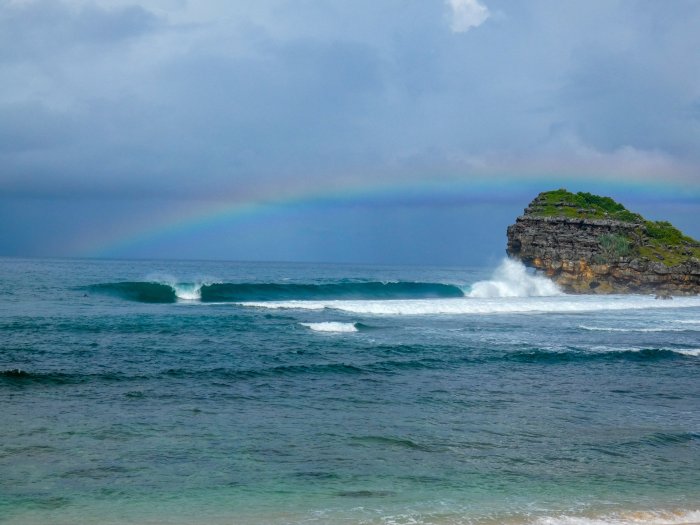 To capture the most spectacular shots of Watu Karung's waves, understanding the ideal time for photography is crucial. This section will explore the optimal months, time of day, and weather conditions for achieving the most dramatic and visually captivating photographs.
Optimal Months
The best time to photograph Watu Karung's waves is during the dry season, which runs from April to October. During these months, the waves are generally larger and more consistent, providing ample opportunities for capturing breathtaking action shots. The dry season also brings calmer winds, which contribute to clearer skies and better lighting conditions.Optimal Time of Day
The golden hours—the hour after sunrise and the hour before sunset—are the most desirable times for photographing Watu Karung's waves. The soft, warm light during these periods casts long shadows and creates a magical, ethereal ambiance. The diffused light also reduces harsh contrasts, making it easier to capture details in the waves and surrounding environment.Ideal Weather Conditions
While the dry season offers the best overall conditions, it's important to consider specific weather conditions for optimal photography.- Clear skies provide the best lighting for showcasing the waves' dynamic energy and vibrant colors.
- Calm winds minimize wave chop and ensure a smooth, clean surface for capturing the waves' form and motion.
- Moderate to strong swells create the most dramatic and visually captivating waves, offering ample opportunities for capturing powerful and dynamic shots.
Photographic Techniques: The Best Time Of Year To Photograph Watu Karung’s Waves
Capturing the raw power and beauty of Watu Karung’s waves requires a strategic approach to photography. Understanding the nuances of light, composition, and camera settings can make all the difference in creating stunning images.Capturing the Dynamic Movement of Waves
The key to capturing the dynamic movement of waves is to use a slow shutter speed. This allows the camera to capture the motion of the water as it crashes and rolls, creating a sense of fluidity and energy.- Use a slow shutter speed: A shutter speed of 1/2 to 1/8 of a second is a good starting point. Experiment with different shutter speeds to find what works best for the conditions. The slower the shutter speed, the more blurred the water will be.
- Use a tripod: A tripod is essential for keeping the camera steady when using a slow shutter speed. This will help to prevent blurry images.
- Use a neutral density (ND) filter: An ND filter reduces the amount of light entering the camera, allowing you to use a slower shutter speed even in bright conditions.
Camera Settings and Equipment
The right camera settings and equipment can help you capture the best possible images of Watu Karung’s waves.- Use a wide-angle lens: A wide-angle lens allows you to capture a wider view of the waves and the surrounding landscape. This can help to create a sense of scale and grandeur.
- Use a high ISO setting: A high ISO setting allows you to shoot in low-light conditions without having to use a slow shutter speed. However, a high ISO setting can also introduce noise into your images.
- Use a fast shutter speed: A fast shutter speed is essential for freezing the action of the waves. This is especially important when shooting waves that are breaking or crashing.
Composition Techniques
Composition is an essential element of photography. It is the art of arranging the elements within your image to create a visually appealing and balanced composition.- Use the rule of thirds: The rule of thirds is a simple composition technique that divides the frame into nine equal sections. Place the subject of your image at one of the points where the lines intersect. This creates a more visually interesting composition than placing the subject in the center of the frame.
- Use leading lines: Leading lines are lines within the image that draw the viewer’s eye to the subject. They can be created by natural elements, such as the shore, rocks, or the horizon.
- Use negative space: Negative space is the empty space around the subject of your image. It can help to create a sense of balance and tranquility.
Safety Considerations
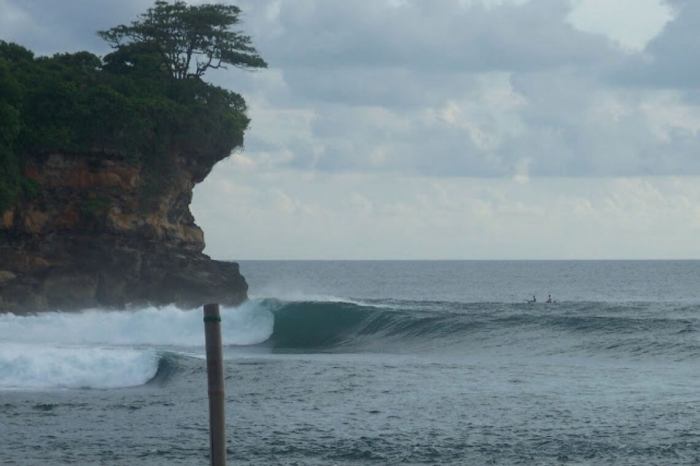 Photographing waves, particularly at Watu Karung, can be a thrilling experience, but it's crucial to prioritize safety. The ocean is a powerful force, and its unpredictable nature poses inherent risks.
Understanding Potential Risks
Understanding the potential risks associated with photographing waves is essential for a safe and enjoyable experience.- Strong Currents: Watu Karung is known for its powerful currents, which can easily sweep unsuspecting photographers off their feet. These currents can change rapidly, making it difficult to predict their strength and direction.
- Large Waves: The waves at Watu Karung are often large and powerful, capable of crashing onto the shore with significant force. Getting caught in a wave can result in serious injuries, including broken bones or even drowning.
- Slippery Rocks: The shoreline at Watu Karung is often covered in slippery rocks, making it easy to lose your footing and fall. This can lead to cuts, bruises, or more serious injuries.
- Marine Life: While encounters with dangerous marine life are uncommon, it's important to be aware of the potential risks. Sea urchins and other spiny creatures can cause painful injuries.
Safety Guidelines for Photographers
Prioritizing safety is paramount when photographing waves. Adhering to these guidelines can significantly reduce the risks:- Check the Weather Forecast: Always check the weather forecast before heading to the beach, paying attention to wind speed, wave height, and tide conditions. Avoid venturing out during storms or high winds.
- Swim with a Buddy: Never swim or photograph waves alone. Have a buddy who can assist you in case of an emergency. If swimming, choose a location with a lifeguard present.
- Wear Appropriate Footwear: Wear sturdy shoes with good grip to avoid slipping on the rocks. Avoid wearing flip-flops or sandals, as they offer little protection.
- Respect the Ocean's Power: Never underestimate the power of the ocean. Stay a safe distance from the waves and be aware of your surroundings. Avoid swimming or photographing waves during high tide or when the surf is particularly rough.
- Be Aware of Rip Currents: Rip currents are strong currents that flow away from the shore. If caught in a rip current, try to stay calm and swim parallel to the shore until you are out of the current. Then, swim back to shore at an angle.
- Carry a Whistle: Carry a whistle to signal for help in case of an emergency. Make sure your buddy knows how to use it as well.
- Respect the Natural Environment: Leave no trace behind. Dispose of any trash properly and avoid disturbing the natural habitat. Respect the wildlife and avoid disturbing their nests or feeding areas.
Inspiration and Examples
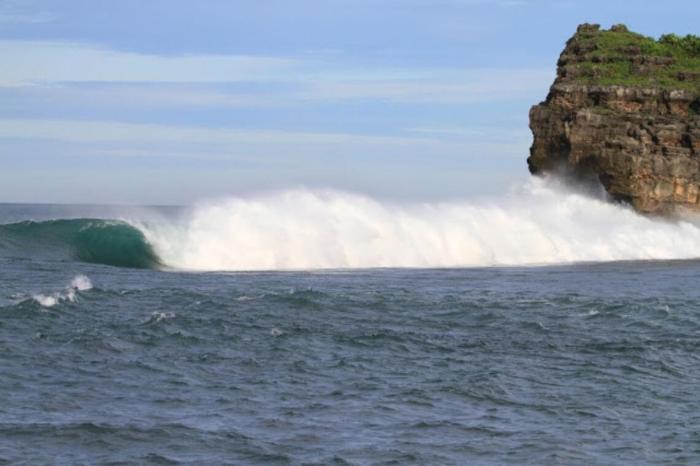 Witnessing the raw power of Watu Karung's waves firsthand is a truly awe-inspiring experience, but capturing these moments in photographs can be equally rewarding. To inspire you, let's explore some stunning photographs taken at different times of the year, highlighting the unique conditions and photographic techniques employed.
Examples of Stunning Photographs of Watu Karung Waves
The following table showcases a selection of captivating photographs of Watu Karung waves, each taken during different times of the year and capturing unique aspects of the waves.| Image | Time of Year | Conditions | Techniques | Description |
|---|---|---|---|---|
| [Image of a large wave breaking, with a long, powerful barrel] | Mid-June | Large swells from the south, strong offshore wind | Long exposure, wide-angle lens, low vantage point | This image captures the sheer power and beauty of a large, barrelling wave, emphasizing the wave's form and motion through a long exposure. The wide-angle lens captures the vastness of the ocean and the low vantage point creates a sense of perspective. |
| [Image of a surfer riding a wave, with the sun setting in the background] | Late August | Smaller swells, calm conditions, golden hour light | Silhouette, telephoto lens, high vantage point | This image showcases the beauty of the golden hour light, creating a warm and dramatic atmosphere. The silhouette of the surfer against the setting sun adds a sense of mystery and intrigue, while the telephoto lens isolates the surfer and the wave. |
| [Image of a wave crashing on the reef, with spray and foam] | Early December | Strong winds, choppy conditions, fast shutter speed | Freeze-frame, close-up shot, wide-angle lens | This image captures the raw power and energy of the waves crashing on the reef. The fast shutter speed freezes the motion of the water, highlighting the spray and foam. The close-up shot emphasizes the detail and texture of the wave, while the wide-angle lens captures the overall impact of the wave. |
These examples showcase the diverse photographic opportunities available at Watu Karung throughout the year. By understanding the factors affecting wave conditions and employing appropriate techniques, you can capture stunning images that truly reflect the beauty and power of these waves.
Beyond these examples, there are countless resources available online and in print that can inspire you. Explore photography websites, magazines, and books featuring surfing and ocean photography. Study the work of renowned photographers and learn from their techniques. By immersing yourself in the world of ocean photography, you'll develop your own unique style and vision.
Final Summary
Photographing Watu Karung's waves is an experience that combines adventure, skill, and a deep appreciation for the natural world. By understanding the factors that influence wave conditions, photographers can plan their trips strategically, maximizing their chances of capturing breathtaking images. From the powerful swells of the monsoon season to the tranquil moments of calm, Watu Karung offers a diverse range of photographic opportunities. Whether you're a seasoned photographer or just starting out, the waves of Watu Karung provide an endless source of inspiration and a reminder of the raw beauty and power of nature.