

Exploring the Coastal Wildlife of Pacitan’s Shores, we embark on a journey into a vibrant ecosystem brimming with life. Pacitan, nestled along the southern coast of Java, Indonesia, is a haven for diverse marine species and a captivating destination for nature enthusiasts. Its shores, sculpted by ancient volcanic activity and fringed by lush mangrove forests, offer a glimpse into a world teeming with biodiversity.
From the majestic humpback whales that grace its waters to the colorful coral reefs teeming with fish, Pacitan's coastal landscape showcases a remarkable array of wildlife. This region's ecological importance is undeniable, with its shores acting as a vital breeding ground for countless species and a crucial link in the intricate web of life that sustains the Indonesian archipelago.
Introduction to Pacitan's Shores
 Pacitan, nestled on the southern coast of East Java, Indonesia, is a region of breathtaking beauty and ecological significance. Its shores, a mosaic of pristine beaches, dramatic cliffs, and hidden coves, hold a unique place in Indonesia's coastal landscape.
Pacitan's shores are characterized by their diverse geological formations, ranging from rugged limestone cliffs sculpted by centuries of erosion to stretches of white sand beaches sculpted by the relentless waves. This diverse geography creates a complex and vibrant ecosystem, supporting a rich tapestry of coastal wildlife.
Pacitan, nestled on the southern coast of East Java, Indonesia, is a region of breathtaking beauty and ecological significance. Its shores, a mosaic of pristine beaches, dramatic cliffs, and hidden coves, hold a unique place in Indonesia's coastal landscape.
Pacitan's shores are characterized by their diverse geological formations, ranging from rugged limestone cliffs sculpted by centuries of erosion to stretches of white sand beaches sculpted by the relentless waves. This diverse geography creates a complex and vibrant ecosystem, supporting a rich tapestry of coastal wildlife.
Biodiversity of Pacitan's Shores
The shores of Pacitan are a haven for a wide array of marine life, showcasing the region's ecological richness. The warm, clear waters of the Java Sea teem with life, from microscopic plankton to majestic marine mammals. The diverse marine environment supports a thriving ecosystem, including:- Coral Reefs: Pacitan's shores are home to extensive coral reefs, teeming with colorful fish, invertebrates, and other marine life. These reefs provide crucial habitats for a wide range of species, acting as nurseries for young fish and offering protection from predators.
- Mangrove Forests: Pacitan's coastline is fringed by mangrove forests, vital ecosystems that serve as breeding grounds for numerous fish species, protect shorelines from erosion, and filter pollutants. These forests are also important habitats for a variety of birds, reptiles, and other animals.
- Seagrass Meadows: Seagrass meadows, found in sheltered areas along the coast, provide food and shelter for a wide range of marine life, including sea turtles, dugongs, and various fish species. These meadows play a crucial role in maintaining water clarity and stabilizing sediment.
Marine Life Diversity
 Pacitan's shores are not only a haven for stunning landscapes but also a vibrant ecosystem teeming with a rich diversity of marine life. The waters surrounding Pacitan are home to a fascinating array of creatures, from the majestic giants of the ocean to the smallest and most delicate organisms.
Marine Mammals
Pacitan's waters are a vital habitat for several marine mammal species, including:- Dolphins: Several dolphin species, including the Indo-Pacific bottlenose dolphin and the spinner dolphin, are commonly sighted in Pacitan's waters. These highly intelligent and social creatures often travel in pods, their playful acrobatics and whistles adding to the charm of the coastal experience.
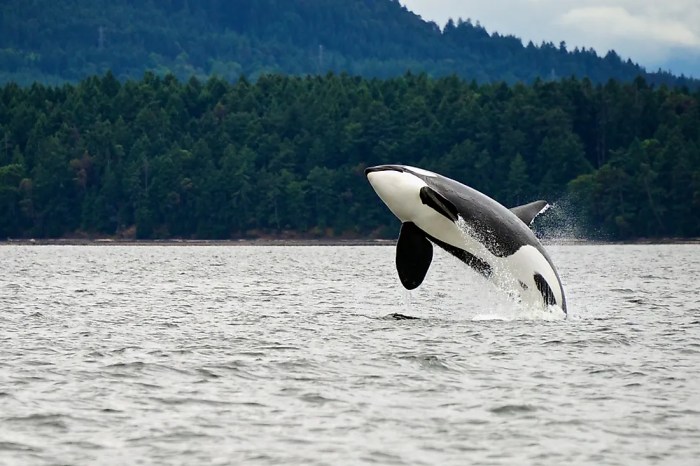
- Whales: Pacitan's location along migration routes makes it a potential stopover for various whale species, including humpback whales and blue whales. While sightings are not as frequent as dolphins, these magnificent creatures are a testament to the richness of the marine environment.
- Dugongs: These gentle herbivores, also known as sea cows, are found in the shallow, seagrass meadows along the coast. Their grazing habits play a crucial role in maintaining the health of these ecosystems.
Fish Diversity
The coral reefs and open waters of Pacitan are home to a staggering diversity of fish species, each playing a unique role in the delicate balance of the ecosystem.- Coral Reef Fish: The vibrant coral reefs provide a sanctuary for a dazzling array of fish species. Clownfish, angelfish, butterflyfish, and parrotfish are just a few examples of the colorful inhabitants of these underwater gardens. Their presence is essential for the health of the coral reefs, as they help to control algae growth and contribute to the reef's overall resilience.
- Pelagic Fish: The open waters of Pacitan are teeming with pelagic fish, including tuna, marlin, and mackerel. These fast-swimming predators play a crucial role in the marine food web, keeping populations of smaller fish in check.
Endangered and Threatened Species
Pacitan's marine environment also harbors several endangered or threatened species, highlighting the importance of conservation efforts:- Hawksbill Sea Turtles: These critically endangered turtles are known to nest on the beaches of Pacitan. Their populations have been severely impacted by habitat loss, fishing bycatch, and illegal trade. Conservation initiatives are crucial to ensure their survival.
- Giant Clam: These massive bivalves are found in the shallow waters of Pacitan. Their populations have been declining due to overfishing and habitat degradation. Conservation efforts are essential to protect these unique and valuable creatures.
Coastal Birds and Reptiles
 Pacitan's shores are not only a haven for marine life but also a vibrant hub for a diverse array of coastal birds and reptiles. These creatures, with their unique adaptations and ecological roles, contribute significantly to the balance and health of the coastal ecosystem.
Bird Diversity and Adaptations
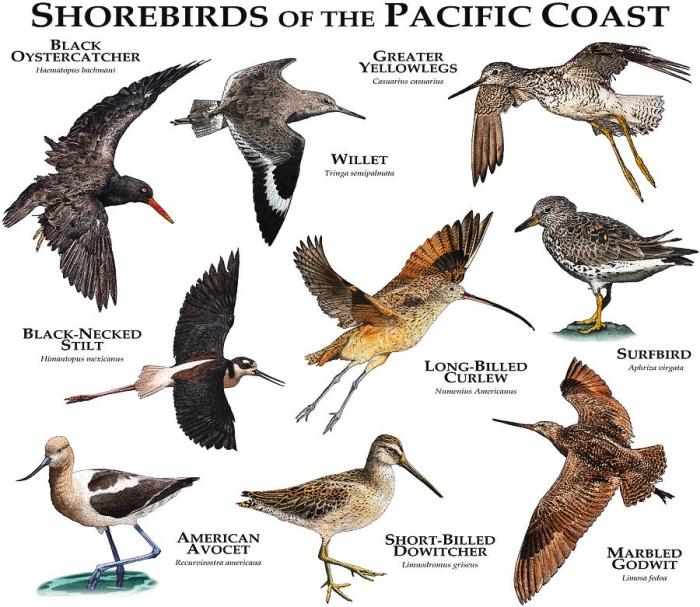
Pacitan's shores attract a variety of bird species, including both migratory and resident populations. Migratory birds, such as the Lesser Sand Plover and the Whimbrel, travel long distances to utilize the rich food sources available along the coast during their breeding season. Resident birds, like the Brown Noddy and the Black-naped Tern, call these shores home year-round.- Shorebirds: These birds, including the Sanderling and the Curlew Sandpiper, are well-adapted to foraging on the sandy beaches. They have long legs and bills that allow them to probe the sand for invertebrates and small fish. Their ability to fly long distances and their tolerance for harsh weather conditions make them well-suited for migration.
- Seabirds: Pacitan's waters are frequented by various seabirds, including the Brown Booby and the Great Frigatebird. These birds are adept at diving and fishing in the ocean, utilizing their sharp beaks and powerful wings to catch their prey. They often nest on nearby islands and cliffs, using the coastal environment as a vital resource for breeding and feeding.
- Waders: Waders, such as the Grey Heron and the Black-winged Stilt, are commonly seen wading in shallow waters along the shores. They have long legs that allow them to reach into the water and capture fish, crustaceans, and other aquatic organisms. Their keen eyesight helps them spot prey from a distance, ensuring their survival in the coastal environment.
Reptile Presence and Conservation
Pacitan's shores are also home to a variety of reptiles, including sea turtles and monitor lizards. These creatures play an important role in the coastal ecosystem, contributing to the health and balance of the environment.- Sea Turtles: Sea turtles, such as the Green Sea Turtle and the Hawksbill Sea Turtle, are known to nest on Pacitan's beaches. They are crucial for maintaining healthy seagrass beds and coral reefs. However, they face threats from habitat loss, pollution, and accidental fishing. Conservation efforts are underway to protect these vulnerable creatures, including beach cleanups, nest monitoring, and fishing gear modifications.
- Monitor Lizards: Monitor lizards, including the Asian Water Monitor, are found in coastal areas, often inhabiting mangrove forests and rocky shores. They play a role in controlling insect populations and scavenging for carrion. However, their populations are declining due to habitat loss and over-hunting. Conservation efforts are focusing on habitat protection and sustainable management practices.
Exploring the Mangrove Ecosystems
 Pacitan's coastline is not only adorned with stunning beaches but also harbors a unique and vital ecosystem: mangrove forests. These fascinating forests, often referred to as "green lungs" of the coast, play a crucial role in maintaining the health and stability of Pacitan's shores.
Mangrove Forests: A Vital Habitat
Pacitan's mangrove forests are characterized by their dense, interwoven roots that extend into the water, creating a labyrinthine habitat for a diverse array of life. These forests are essential for the well-being of the coastal ecosystem, offering numerous ecological benefits.Protecting Coastlines
Mangrove forests act as natural barriers, protecting coastlines from erosion and the destructive forces of storms and tsunamis. Their intricate root systems trap sediments, reducing the impact of waves and currents. This protective role is particularly important in Pacitan, where the coastline is vulnerable to natural hazards.Nursery Grounds for Fish
The complex network of roots and branches in mangrove forests provides ideal breeding and nursery grounds for a variety of fish species. The sheltered waters offer protection from predators, while the abundant food sources ensure the survival and growth of young fish. This makes mangrove forests vital for sustaining the local fishing industry and ensuring the long-term health of marine populations.Supporting Biodiversity
Mangrove forests are havens of biodiversity, supporting a rich tapestry of life. The unique conditions within these forests, with their mix of saltwater and freshwater, provide suitable habitats for a wide range of species, including crabs, snails, fish, birds, and reptiles.Diverse Inhabitants of the Mangroves
Crabs and Snails
The muddy shores of mangrove forests are home to a variety of crab species, each adapted to the unique conditions of this environment. From the fiddler crab, known for its distinctive large claw, to the mangrove tree crab, which climbs trees for food, these crustaceans play a vital role in the ecosystem. Snails, such as the mangrove snail, also thrive in this habitat, feeding on algae and detritus.Birds
Mangrove forests attract a variety of bird species, drawn to the abundance of food and shelter. Some common avian residents include the mangrove whistler, the white-bellied sea eagle, and the black-winged stilt. These birds often utilize the trees for nesting, roosting, and foraging, adding to the vibrant tapestry of life within the mangrove ecosystem.Threats to Coastal Wildlife
The idyllic shores of Pacitan, teeming with life, are facing a growing number of threats that jeopardize the health and survival of its diverse coastal wildlife. These threats, stemming from human activities and environmental changes, are impacting the delicate balance of Pacitan's ecosystems, posing a serious challenge to the future of its marine biodiversity.Pollution
Pollution, a major threat to Pacitan's coastal wildlife, originates from various sources, including industrial waste, agricultural runoff, and plastic debris. Industrial discharges often contain toxic chemicals that contaminate the water, harming marine life. Agricultural runoff carries fertilizers and pesticides, which can cause algal blooms, depleting oxygen levels and suffocating fish and other marine organisms. Plastic pollution, a pervasive issue, poses a significant threat to marine life. Animals often mistake plastic for food, leading to ingestion and entanglement, resulting in injuries, starvation, and even death.Habitat Loss
Habitat loss is another significant threat to Pacitan's coastal wildlife. Coastal development, including the construction of resorts, marinas, and infrastructure, leads to the destruction of natural habitats like mangroves, coral reefs, and seagrass beds. These habitats provide essential breeding grounds, nurseries, and feeding areas for various marine species. Their loss disrupts the delicate balance of the ecosystem, leading to a decline in biodiversity and population numbers.Overfishing
Overfishing, the extraction of fish at a rate faster than their ability to replenish, is a serious threat to the sustainability of Pacitan's marine resources. Unsustainable fishing practices, such as using destructive fishing gear and targeting vulnerable species, deplete fish populations and disrupt the food web. This imbalance can lead to cascading effects, impacting other species that rely on these fish for food, ultimately threatening the entire ecosystem.Climate Change
Climate change, a global phenomenon, is having profound impacts on Pacitan's coastal wildlife. Rising sea temperatures and ocean acidification are stressing coral reefs, leading to bleaching and death. These changes affect the entire ecosystem, as coral reefs provide habitat, protection, and food for numerous species. Sea level rise is also causing coastal erosion and inundation, further reducing the available habitat for coastal wildlife.Sustainable Tourism and Conservation: Exploring The Coastal Wildlife Of Pacitan’s Shores
 Pacitan's coastal treasures are not only a haven for wildlife but also a potential source of income through tourism. Balancing economic growth with the preservation of this fragile ecosystem is crucial, and sustainable tourism practices play a vital role in achieving this balance.
Eco-tourism and Awareness, Exploring the Coastal Wildlife of Pacitan’s Shores
Eco-tourism, a form of tourism focused on responsible travel to natural areas, offers a unique opportunity to educate visitors about the importance of conservation and promote responsible interaction with Pacitan's coastal wildlife. By providing immersive experiences that connect visitors with the environment, eco-tourism initiatives can foster a deeper understanding and appreciation for the delicate balance of the ecosystem.- Guided tours led by local experts can provide valuable insights into the behavior, habitat, and importance of different species, encouraging responsible observation and minimizing disturbance.
- Educational programs, such as nature walks, workshops, and interactive exhibits, can engage visitors and raise awareness about the threats facing Pacitan's coastal wildlife, including pollution, habitat destruction, and climate change.
- Community involvement in eco-tourism projects empowers local communities to become stewards of their environment, fostering a sense of ownership and responsibility for conservation efforts.
Sustainable Fishing Practices and Marine Protected Areas
Sustainable fishing practices are essential for ensuring the long-term health of Pacitan's marine ecosystems and the livelihoods of local fishing communities. These practices aim to prevent overfishing and minimize the impact on marine biodiversity.- Fishing quotas, which set limits on the amount of fish that can be caught, help prevent overexploitation of fish stocks and allow populations to replenish.
- Gear restrictions, such as using nets with larger mesh sizes or prohibiting certain types of fishing gear, can reduce bycatch (unintentionally caught species) and minimize damage to sensitive habitats.
- Marine protected areas (MPAs), designated areas where fishing is restricted or prohibited, serve as vital refuges for marine life, allowing populations to recover and act as sources of fish for surrounding areas.
Local Conservation Initiatives
Several local initiatives and organizations are dedicated to conserving Pacitan's coastal wildlife. These organizations work tirelessly to educate the community, protect habitats, and promote sustainable practices.- The Pacitan Marine Conservation Foundation focuses on research, education, and community outreach programs aimed at promoting sustainable fishing practices and protecting marine biodiversity.
- The Pacitan Coastal Community Association works with local fishermen to implement sustainable fishing practices, establish MPAs, and develop alternative livelihoods for communities dependent on marine resources.
- The Pacitan Birdwatching Club organizes birdwatching tours and conducts research on coastal bird populations, raising awareness about the importance of protecting bird habitats and migratory routes.
Conclusion
As we delve deeper into the coastal wildlife of Pacitan's shores, we uncover a fragile ecosystem facing a multitude of threats. Pollution, habitat loss, and unsustainable fishing practices pose significant challenges to the region's biodiversity. However, hope remains through the dedication of conservationists and the growing awareness of sustainable tourism practices. By promoting responsible interaction with the environment and supporting local initiatives, we can contribute to the preservation of this invaluable natural treasure for generations to come.