

A Day in the Life of a Local Fisherman at Watu Karung sets the stage for this enthralling narrative, offering readers a glimpse into the daily routine of a fisherman in a small coastal village. The story unfolds with rich detail, immersing readers in the sights, sounds, and smells of the village and the open sea.
From the pre-dawn hours when the fisherman wakes to the gentle rocking of his boat, to the return journey at sunset with the day's catch, the story captures the essence of a life intertwined with the rhythm of the sea. We learn about the tools and techniques used, the challenges faced, and the camaraderie among the fishermen. The narrative paints a vivid picture of the fisherman's life, both on land and at sea, highlighting the connection he shares with his community and the environment he calls home.
Dawn at Watu Karung
 The first rays of dawn paint the sky with hues of orange and pink, slowly pushing back the darkness of night. A gentle breeze whispers through the palm trees, carrying the scent of the sea and the promise of a new day. The rhythmic lapping of waves against the shore provides a soothing background hum, a familiar melody to the ears of the fishermen who call this place home.
Waking Up
The fisherman, a weathered man with sun-kissed skin and eyes that hold the wisdom of the sea, stirs from his sleep. The familiar sounds of the village, the rooster's crow, the chatter of children, and the distant hum of a passing boat, all blend together to form a symphony of life. He rises, his movements slow and deliberate, stretching his limbs as he steps out onto the sandy floor of his humble abode.Preparing for the Day
He walks to the edge of the beach, where his small wooden boat, weathered by years of sun and salt, waits patiently. He carefully checks the ropes and nets, making sure they are in good condition. The fisherman's tools are simple yet essential: a sturdy wooden paddle, a net woven from strong fibers, and a small cooler to hold the catch of the day. He carefully loads his boat, his movements precise and practiced, a testament to years of experience. The smell of salt and fish permeates the air, a familiar scent that evokes a sense of peace and purpose.The Fisherman's Thoughts
As he pushes his boat into the water, the fisherman feels a surge of anticipation. He knows the sea is a fickle mistress, offering both bounty and hardship. But he trusts his intuition and his skills, honed over countless days spent at sea. The day ahead holds the promise of a good catch, enough to provide for his family and sustain his livelihood. But more importantly, it holds the promise of a connection with the sea, a sense of belonging that is as deep as the ocean itself.Heading Out to Sea
 The sun has barely begun to rise, casting long shadows across the quiet village of Watu Karung, as the fishermen prepare for their daily journey to sea. A sense of anticipation hangs in the air, mixed with the salty tang of the ocean breeze.
The journey to the fishing grounds is a familiar routine, a dance with the elements that the fishermen have perfected over generations. The boats used are typically small, sturdy vessels, often made of wood and powered by outboard motors. These boats, known as "jukung" in the local language, are designed to navigate the choppy waters of the Indian Ocean, and are expertly maneuvered by the fishermen.
Navigation Techniques
Navigation in the past relied heavily on traditional methods, using the stars, currents, and landmarks to guide their way. Modern technology has brought GPS devices and sonar into the mix, providing a more precise and efficient way to locate the best fishing spots.Fishermen often use a combination of these methods, drawing upon their years of experience and the wisdom passed down through generations. They are acutely aware of the nuances of the sea, understanding the patterns of the tides, the behavior of fish, and the potential dangers that lie ahead.
Community and Camaraderie
The journey to the fishing grounds is not just a physical voyage; it is also a journey shared with a close-knit community. The fishermen of Watu Karung work together, sharing knowledge, resources, and a deep respect for the sea.As the boats leave the shore, a sense of camaraderie fills the air. They share stories, jokes, and news, creating a bond that transcends the physical act of fishing. This sense of community is essential, as the challenges and dangers of fishing in the open sea require them to rely on each other for support.
Challenges and Dangers
Fishing in the open sea is a demanding and sometimes dangerous profession. The fishermen face a range of challenges, including:- Unpredictable weather: The Indian Ocean can be unpredictable, with sudden storms and strong currents posing a significant risk.
- Rough seas: The choppy waters can make navigation difficult and increase the risk of accidents.
- Competition: The fishing grounds are often crowded with other boats, creating competition for the best fishing spots.
- Depleting fish stocks: Overfishing and climate change have led to a decline in fish populations, making it harder for fishermen to make a living.
Despite these challenges, the fishermen of Watu Karung remain resilient, determined to continue their traditional way of life. They are deeply connected to the sea, understanding its rhythms and respecting its power. Their journey to the fishing grounds is a testament to their courage, skill, and unwavering connection to the ocean.
The Art of Fishing
 Fishing at Watu Karung is more than just a way to earn a living; it's a deeply ingrained tradition and an art form passed down through generations. The local fishermen have honed their skills and knowledge over time, mastering the techniques that allow them to thrive in the waters surrounding this coastal village.
Fishing Techniques
The fishermen of Watu Karung employ a variety of fishing techniques, each tailored to the specific fish they are targeting and the conditions of the sea. These methods are not just about catching fish; they reflect a deep understanding of the marine environment and the behavior of the fish.- Gillnets: These are large, rectangular nets with mesh that traps fish by their gills. The size of the mesh determines the size of fish that can be caught. Gillnets are typically used for catching pelagic fish, such as tuna and mackerel, which swim in open water. They are deployed at night and retrieved in the morning, allowing the fishermen to catch a large quantity of fish.
- Handlines: These are simple lines with a hook attached, often used for catching bottom-dwelling fish, such as grouper and snapper. The fishermen use a variety of baits, including squid, shrimp, and fish scraps, to attract their prey. This method requires patience and skill, as the fishermen must carefully observe their lines and react quickly when a fish takes the bait.
- Trawl Nets: These are large, cone-shaped nets dragged along the seabed, catching anything in their path. Trawl nets are often used for catching shrimp, crab, and other bottom-dwelling creatures. While this method is efficient, it can also have negative environmental impacts, as it can damage the seabed and catch non-target species.
Comparison of Fishing Methods
Each fishing method has its advantages and disadvantages. Gillnets are effective for catching large quantities of fish but can also catch non-target species, including endangered ones. Handlines are more selective but require more time and effort. Trawl nets are efficient but can have detrimental environmental consequences. The fishermen of Watu Karung carefully consider the pros and cons of each method before choosing the most appropriate one for their needs.Patience and Skill
Fishing is not simply a matter of casting a line and waiting. It requires patience, skill, and a deep understanding of the marine environment. The fishermen of Watu Karung are masters of their craft, able to read the signs of the sea and predict the behavior of the fish. They know the best times to fish, the most effective baits to use, and the most productive fishing grounds. They also understand the importance of conservation, ensuring that their fishing practices are sustainable and that future generations will be able to enjoy the bounty of the sea.The Catch of the Day
The day's work culminates in the moment of truth: the catch. A fisherman's heart beats faster as he pulls in his nets, hoping for a bountiful haul. The success of the day hinges on the variety and quantity of fish he brings back to shore.Types of Fish Caught
The waters around Watu Karung are teeming with diverse marine life, offering a variety of fish to the fishermen. The most common catches include:- Tuna: These powerful fish are highly prized for their rich, meaty flavor and are a staple in the local market. Tuna are typically caught using handlines or longlines, and their size can range from small skipjack to massive yellowfin.
- Mackerels: These smaller, fast-swimming fish are known for their oily flesh and are often used in various dishes. Mackerels are typically caught using purse seines or gillnets.
- Snappers: These colorful fish with distinctive red eyes are popular for their firm, white flesh. Snappers are often caught using bottom-set lines or traps.
- Groupers: These large, bottom-dwelling fish are prized for their delicate flavor and are typically caught using handlines or bottom-set lines.
- Squid: These cephalopods are a common catch in the area, particularly during the squid season. Squid are typically caught using jigging lines or traps.
Sorting and Storing the Catch
Upon returning to shore, the fishermen carefully sort their catch, separating different species and sizes. This process helps to ensure that the fish are properly priced and sold according to market standards.- Sorting: The fishermen use a variety of tools, including baskets and sorting tables, to separate the different types of fish. They examine each fish for its size, quality, and species.
- Storing: Once sorted, the fish are placed in ice-filled containers or coolers to maintain their freshness. This helps to prevent spoilage and preserve the quality of the catch.
Assessing the Day's Haul
As the fishermen assess their catch, a mix of emotions washes over them. Relief, satisfaction, and even a hint of disappointment are common feelings. A bountiful catch brings joy and financial security, while a meager haul can lead to worry and uncertainty. The day's catch is a reflection of the fisherman's skills, knowledge, and luck. It's a testament to their hard work and dedication to their craft. The fishermen are acutely aware of the delicate balance between their livelihood and the sustainability of the marine ecosystem. They strive to maintain a healthy balance, ensuring that future generations can continue to benefit from the bounty of the sea.Returning to Shore
The sun began its descent, casting long shadows across the rippling water. It was time for the fishermen of Watu Karung to return to shore, their boats laden with the day's catch. The journey back was often a test of their skills and endurance, as the wind picked up and the waves grew choppy.Navigating the Rough Seas
As the boats battled against the wind and waves, the fishermen's experience and knowledge of the sea were put to the test. They skillfully maneuvered their vessels, adjusting their sails and using their oars to maintain course. The sound of the waves crashing against the hull and the cries of seagulls filled the air."The sea is a powerful force, and it demands respect," said Pak Jono, a seasoned fisherman. "But we know how to read its moods and navigate its currents."
camaraderie and Collaboration
Despite the challenges of the return journey, the fishermen maintained a sense of camaraderie and collaboration. They helped each other out, sharing tips and techniques to navigate the rough waters. This shared experience forged a strong bond between them, creating a sense of community."We're all brothers out here on the sea," said Pak Supardi, another fisherman. "We look out for each other, no matter what."
Returning to Watu Karung
The fishermen finally reached the shores of Watu Karung, their boats safely docked. They unloaded their catch, their faces beaming with satisfaction. The village came alive with the sounds of laughter and chatter as the fishermen shared stories of their day at sea.The Fisherman's Return Journey
| Time of Day | Activity | Location | Description |
|---|---|---|---|
| Late Afternoon | Setting Sails | Off the Coast of Watu Karung | The fishermen prepare their boats for the return journey, adjusting sails and checking equipment. |
| Evening | Navigating Rough Seas | Open Sea | The boats face strong winds and choppy waves, requiring skillful maneuvering. |
| Dusk | Sharing Tips and Techniques | Open Sea | The fishermen collaborate, sharing knowledge and experience to navigate the challenging conditions. |
| Early Evening | Approaching Shore | Near Watu Karung | The fishermen guide their boats towards the familiar coastline, navigating the final stretch of their journey. |
| Evening | Docking Boats | Watu Karung Harbor | The fishermen safely dock their boats, their day's work complete. |
Life Beyond the Sea: A Day In The Life Of A Local Fisherman At Watu Karung
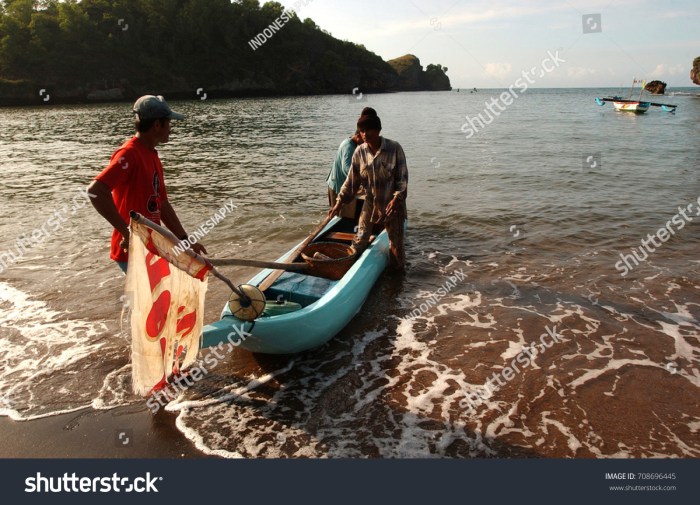 The life of a fisherman in Watu Karung extends far beyond the daily rhythm of the tides. While the sea provides their livelihood, it is their families, community, and the land that offer a sense of belonging and stability. The fisherman's life on land is a tapestry woven with the threads of tradition, resilience, and the enduring bond with their environment.
Family and Community, A Day in the Life of a Local Fisherman at Watu Karung
The fisherman's family plays a vital role in their lives, providing support and stability. Their wives and children often help with the preparation of fishing gear, mending nets, and selling the catch at the local market. The extended family also provides a network of assistance, sharing resources and knowledge, especially during challenging times. The fisherman's community in Watu Karung is tight-knit, built on shared experiences and mutual respect. They come together for communal events, religious ceremonies, and to support each other during difficult periods.Daily Routines
The fisherman's life on land is characterized by a routine that revolves around the sea and their family. After returning from a fishing trip, they typically spend time cleaning and repairing their boats and gear. They may also engage in other activities, such as farming or tending to livestock. The evenings are often spent with family, sharing meals and stories.Challenges and Rewards
The life of a fisherman in Watu Karung is not without its challenges. The unpredictable nature of the sea, fluctuating fish stocks, and the ever-present threat of storms can pose significant risks. They also face economic challenges, such as fluctuating fish prices and competition from larger fishing vessels. Despite these challenges, the fisherman finds deep satisfaction in their work. They are deeply connected to the sea and derive a sense of purpose from providing for their families and contributing to their community. The rewards of their labor include the fresh catch, the camaraderie of fellow fishermen, and the deep sense of connection to their environment.Home and Surroundings
The fisherman's home is typically a modest dwelling, often built from local materials like bamboo and wood. The house is usually situated near the shore, allowing for easy access to the sea. The surroundings are a reflection of the fisherman's life, with boats, fishing nets, and other tools of their trade scattered around the yard. The sea is always present, its sound a constant reminder of their livelihood and their connection to the natural world. The fisherman's home and surroundings are a testament to their resilience, their deep connection to the sea, and their enduring spirit.Final Review
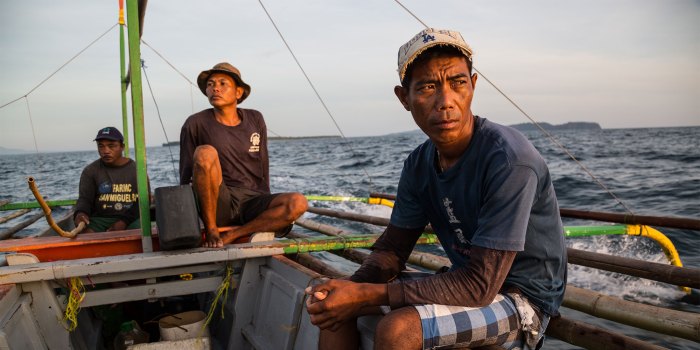
The story of a day in the life of a local fisherman at Watu Karung is a testament to the resilience and resourcefulness of people who live in harmony with the sea. It offers a window into a world that is both challenging and rewarding, where the rhythm of life is dictated by the tides and the bounty of the ocean. The narrative leaves us with a newfound appreciation for the dedication and skill of these fishermen, and the vital role they play in the local community and the delicate balance of the marine ecosystem.