

The Fascinating Flora and Fauna of Pacitan’s Coast, located on the southern coast of Java, Indonesia, unveils a captivating world of biodiversity. This region, known for its pristine beaches and rugged cliffs, boasts a unique blend of environmental factors that have fostered a thriving ecosystem teeming with life. From lush mangrove forests to vibrant coral reefs, Pacitan's coast is a haven for an astonishing array of plant and animal species.
Pacitan's diverse flora includes a remarkable collection of coastal vegetation, mangrove forests, and endemic plant species. The region's unique climate and soil conditions have allowed for the development of specialized plants adapted to the coastal environment. Meanwhile, the waters surrounding Pacitan teem with an abundance of marine life, including colorful fish, majestic sea turtles, and even marine mammals. This underwater world is a testament to the rich biodiversity found along this stretch of the Indonesian coastline.
Introduction to Pacitan's Coast
Nestled on the southern coast of East Java, Indonesia, Pacitan is a region renowned for its captivating blend of natural beauty and rich biodiversity. Its coastline, stretching along the Java Sea, is a haven for a diverse array of flora and fauna, making it a paradise for nature enthusiasts and researchers alike. Pacitan's coastal environment is shaped by a unique interplay of factors, including its location along the transition zone between the Indian Ocean and the Java Sea, its mountainous terrain, and its seasonal monsoon patterns. These factors contribute to the region's diverse habitats, ranging from sandy beaches and rocky cliffs to mangrove forests and coral reefs.Unique Environmental Factors
Pacitan's coastal region is influenced by a confluence of environmental factors that contribute to its remarkable biodiversity.- Location: Pacitan lies on the transition zone between the Indian Ocean and the Java Sea, creating a unique mix of marine species and currents. This convergence of waters brings a rich influx of nutrients, supporting a vibrant ecosystem.
- Topography: The mountainous terrain surrounding Pacitan's coast creates a variety of microclimates and habitats. The hills and valleys influence rainfall patterns, leading to diverse vegetation types, including rainforests, coastal forests, and grasslands.
- Monsoon Patterns: Pacitan experiences distinct wet and dry seasons, influenced by the monsoon winds. The monsoon rains bring fresh water and nutrients to the coastal ecosystem, while the dry season allows for the growth of drought-tolerant species.
Historical Anecdotes
Pacitan's coastline has a rich history, intertwined with its natural beauty.- Ancient Seafaring: Pacitan has long been a hub for seafaring, with evidence of ancient settlements and trade routes dating back centuries. The region's strategic location along the Java Sea made it a vital point for maritime trade and cultural exchange.
- Geological Formations: Pacitan's coastline boasts fascinating geological formations, including ancient coral reefs, volcanic rocks, and limestone caves. These formations are testaments to the region's dynamic geological history and offer insights into the evolution of the Earth's surface.
Fascinating Flora of Pacitan's Coast
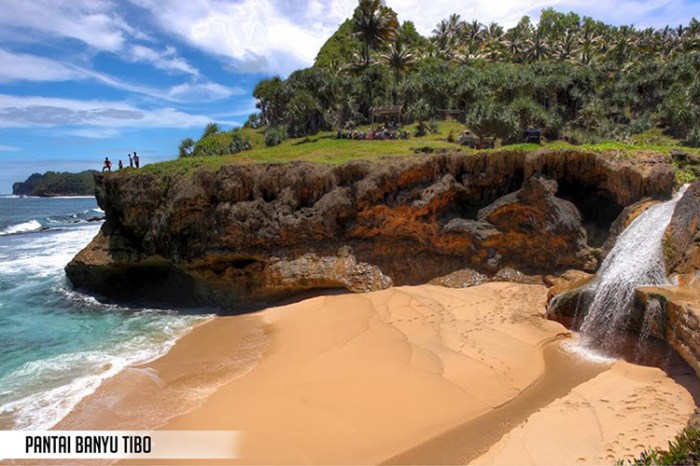 The coastline of Pacitan, Indonesia, is not only a haven for diverse marine life but also a vibrant tapestry of plant life. From the dense mangrove forests that line the estuaries to the resilient coastal vegetation that withstands the harsh conditions of the sea, Pacitan's flora showcases a remarkable adaptation to its unique environment.
Mangrove Forests: Guardians of the Coast
Mangrove forests are essential ecosystems along tropical coastlines, and Pacitan is no exception. These unique forests, dominated by salt-tolerant trees and shrubs, play a vital role in protecting the coastline from erosion, providing a nursery for marine life, and filtering pollutants. The intricate root systems of mangrove trees stabilize the shoreline, preventing erosion caused by waves and tides. Their dense canopy provides shelter for a variety of marine organisms, including fish, crabs, and birds, making them vital breeding grounds. Moreover, mangrove forests act as natural filters, trapping sediments and pollutants, thus maintaining the water quality of the surrounding areas.Table: Mangrove Species and their Ecological Importance
| Species | Characteristics | Ecological Importance | Conservation Status |
|---|---|---|---|
| Rhizophora apiculata (Api-api) | Tall, erect tree with prop roots | Provides nesting sites for birds, supports a rich biodiversity of invertebrates | Least Concern |
| Avicennia marina (Api-api Putih) | Pneumatophores (air roots) emerge from the mud | Stabilizes the shoreline, filters pollutants | Least Concern |
| Sonneratia alba (Perepat) | Large, buttressed tree with aerial roots | Provides food for marine organisms, supports a rich biodiversity of invertebrates | Least Concern |
Coastal Vegetation: Resilient Survivors
The coastal vegetation of Pacitan is characterized by its resilience to the harsh conditions of the sea, including salt spray, strong winds, and limited freshwater availability. These plants have developed unique adaptations to thrive in this challenging environment.Examples of Coastal Vegetation
- Pandanus tectorius (Pandanus): This palm-like plant has aerial roots that help it stabilize in sandy soil. Its leaves are used for thatching and other traditional crafts.
- Ipomoea pes-caprae (Beach Morning Glory): This sprawling vine has fleshy leaves that store water and salt tolerance. Its flowers are a vibrant pink and are a popular subject for photography.
- Scaevola taccada (Beach Naupaka): This shrub has distinctive half-moon-shaped flowers and is highly tolerant of salt spray. It is often found growing on coastal dunes.
Endemic Plants: Treasures of Pacitan
Pacitan's coastline is home to several endemic plant species, which are found only in this region. These plants are particularly vulnerable to habitat loss and require specific conservation efforts to ensure their survival.Rare and Endangered Plants
- Dipterocarpus hasseltii (Keruing): This large tree is a valuable timber species and is threatened by overexploitation. It is found in the forests of Pacitan and is considered critically endangered.
- Ficus benghalensis (Banyan Tree): This massive tree with spreading branches is a symbol of Pacitan's cultural heritage. However, habitat loss and urbanization pose a threat to its survival.
Conservation Efforts
Pacitan's unique flora is facing threats from habitat loss, overexploitation, and climate change. Conservation efforts are underway to protect these valuable plant resources.- Community-based conservation programs: Local communities are involved in protecting and managing mangrove forests and other coastal ecosystems.
- Reforestation and restoration projects: Efforts are being made to restore degraded coastal habitats and replant native plant species.
- Sustainable harvesting practices: Promoting sustainable harvesting of timber and other plant products helps ensure the long-term viability of these resources.
Diverse Fauna of Pacitan's Coast: The Fascinating Flora And Fauna Of Pacitan’s Coast
Pacitan's coastal waters teem with life, showcasing a remarkable diversity of marine species. From vibrant coral reefs to playful dolphins, the region's ecosystem provides a haven for a wide range of fauna.Abundance and Diversity of Marine Life, The Fascinating Flora and Fauna of Pacitan’s Coast
Pacitan's coast is a vibrant underwater world, home to an impressive array of marine life. The warm, tropical waters are ideal for a diverse range of fish species, including colorful reef fish, majestic tuna, and elusive sharks. The area is also renowned for its healthy coral reefs, which provide shelter and food for countless marine organisms. These reefs are teeming with vibrant corals, sponges, and anemones, attracting a diverse array of fish, invertebrates, and other marine creatures.Unique Animal Species of Pacitan's Coast
Pacitan's coastal waters are home to a number of unique animal species, each with fascinating adaptations that allow them to thrive in this dynamic environment.Sea Turtles
Sea turtles are a common sight in Pacitan's waters, with several species visiting the coast for nesting and feeding. The most frequently observed species include the Green Sea Turtle (Chelonia mydas) and the Hawksbill Sea Turtle (Eretmochelys imbricata). These turtles are crucial to the health of the marine ecosystem, as they play a role in maintaining the balance of seagrass beds and coral reefs.Marine Mammals
Pacitan's waters are also home to a variety of marine mammals, including dolphins, whales, and dugongs. The Indo-Pacific Bottlenose Dolphin (Tursiops aduncus) is a common sight, often seen playing in the waves or feeding near the shore. Dolphins are highly intelligent animals and their presence is a sign of a healthy marine environment.Migratory Bird Species
Pacitan's coastal ecosystem is vital for a variety of migratory bird species, providing crucial breeding grounds and resting spots during their long journeys. The region's coastal wetlands, mangrove forests, and beaches offer essential habitats for these birds, allowing them to replenish their energy and raise their young.- Shorebirds: Species like the Greater Sand Plover (Charadrius leschenaultii) and the Oriental Plover (Charadrius dubius) rely on Pacitan's beaches for foraging and nesting.
- Seabirds: Pacitan's coastal waters attract seabirds like the Brown Booby (Sula leucogaster) and the Lesser Frigatebird (Fregata ariel), which utilize the area for feeding and breeding.
Conservation Efforts and Challenges
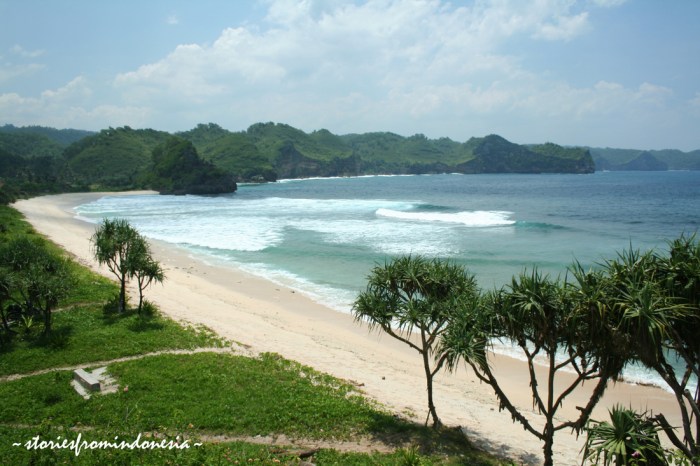 Pacitan's coastal ecosystem, with its vibrant flora and fauna, faces numerous threats that necessitate focused conservation efforts. These challenges are multifaceted, stemming from human activities and environmental changes, posing a significant risk to the delicate balance of this unique environment.
Conservation Initiatives and Efforts
Recognizing the importance of preserving Pacitan's coastal biodiversity, various organizations and initiatives are actively working to protect the region's natural treasures. These efforts range from habitat restoration and pollution control to community engagement and sustainable fishing practices.Conservation Organizations and their Impact
| Organization | Activities | Impact |
|---|---|---|
| Yayasan Konservasi Alam Nusantara (YKAN) | Habitat restoration, mangrove planting, and community education programs | Improved coastal resilience, increased mangrove coverage, and enhanced community awareness of conservation |
| WWF Indonesia | Marine conservation programs, including coral reef monitoring and protection, and sustainable fishing initiatives | Improved coral reef health, reduced overfishing, and enhanced livelihoods for local fishing communities |
| The Nature Conservancy | Protected area management, biodiversity monitoring, and community-based conservation programs | Increased protection of critical habitats, improved biodiversity conservation, and strengthened community participation in conservation efforts |
The Beauty and Importance of Pacitan's Coast
Pacitan's coastline is a mesmerizing blend of natural wonders, boasting stunning beaches, rugged cliffs, and diverse landscapes that captivate the senses. The region's beauty extends beyond its aesthetics, playing a vital role in the economic and cultural well-being of the local communities. This section explores the aesthetic beauty of Pacitan's coastline and its significant contributions to the region's economic and cultural fabric.The Aesthetic Beauty of Pacitan's Coastline
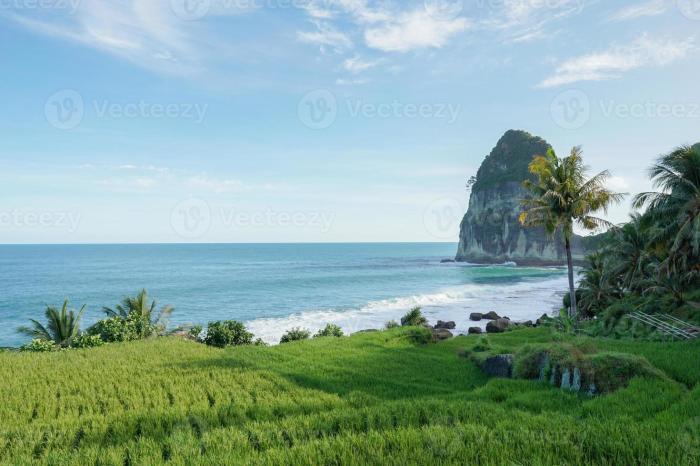
Pacitan's coastline is a visual feast, characterized by a captivating interplay of natural elements. The region's beaches are renowned for their pristine sands, crystal-clear waters, and picturesque surroundings. From the iconic Klayar Beach with its unique rock formations to the serene Teleng Ria Beach, each beach offers a distinct charm, attracting tourists and locals alike. Pacitan's coastline is also adorned with dramatic rocky cliffs that rise majestically from the sea, creating breathtaking vistas. These cliffs, often adorned with lush vegetation, provide a stark contrast to the azure waters, adding to the region's visual allure. The diverse landscapes of Pacitan's coastline, ranging from sandy shores to rocky cliffs, create a dynamic and captivating environment that showcases the raw beauty of nature.The Economic and Cultural Importance of Pacitan's Coast
Pacitan's coastline is not only a source of aesthetic beauty but also a vital economic and cultural hub for the region. Tourism is a major economic driver, with visitors flocking to Pacitan's beaches to experience its natural wonders and engage in various water activities. The region's fishing industry also plays a significant role in the local economy, providing livelihoods for many coastal communities. The abundance of marine life in Pacitan's waters sustains a thriving fishing industry, contributing to the region's food security and economic prosperity. Pacitan's coastal communities are deeply intertwined with the natural environment, their cultural traditions and way of life shaped by the sea. The region's rich cultural heritage is reflected in its traditional fishing practices, local festivals, and folklore.Recommendations for Sustainable Tourism Practices
To ensure the long-term sustainability of Pacitan's coastal ecosystem and its economic and cultural significance, responsible tourism practices are essential. Sustainable tourism aims to minimize the negative impacts of tourism while maximizing its benefits for local communities and the environment. Here are some recommendations for sustainable tourism practices in Pacitan:- Support local businesses and communities: Choose accommodations, restaurants, and tour operators that are owned and operated by local residents, ensuring that the economic benefits of tourism flow back to the community.
- Respect the environment: Avoid littering, stay on designated trails, and be mindful of the impact of your actions on the delicate coastal ecosystem.
- Minimize your carbon footprint: Consider using public transportation or cycling to get around, and choose eco-friendly accommodations and tour operators.
- Educate yourself about the local culture and environment: Learn about the region's history, traditions, and environmental issues.
- Engage with local communities: Participate in cultural events and activities, and interact respectfully with local residents.
Final Review
Pacitan's coast stands as a testament to the delicate balance between nature and human activity. While the region's beauty and resources offer significant economic opportunities, the importance of conservation efforts cannot be overstated. By understanding the threats facing this unique ecosystem and implementing sustainable practices, we can ensure that the fascinating flora and fauna of Pacitan's coast continue to thrive for generations to come.