

A Culinary Journey Through Pacitan’s Coastal Cuisine invites you to experience the vibrant flavors of Indonesia's picturesque Pacitan coast. Nestled along the Java Sea, Pacitan boasts stunning beaches and a rich fishing heritage that has shaped its unique culinary traditions. The region's abundance of fresh seafood, coupled with local spices and cooking techniques, creates a symphony of tastes that tantalize the palate.
From the bustling local markets overflowing with fresh produce and seafood to the charming restaurants serving up authentic Pacitan dishes, every culinary encounter is a testament to the region's culinary heritage. This journey explores the fascinating world of Pacitan's coastal cuisine, delving into its key ingredients, traditional cooking methods, and the stories behind the dishes that have become synonymous with this captivating region.
A Culinary Tapestry of Pacitan's Coast: A Culinary Journey Through Pacitan’s Coastal Cuisine
 Pacitan, a coastal gem nestled in East Java, Indonesia, boasts breathtaking landscapes of rugged cliffs, pristine beaches, and turquoise waters. This idyllic setting provides the backdrop for a vibrant culinary scene, deeply intertwined with the region's fishing heritage and abundance of local ingredients.
Pacitan's cuisine is a captivating blend of flavors and traditions, reflecting the close connection between the people and the sea. Seafood, the star ingredient, is the heart and soul of Pacitan's culinary tapestry, with a wide variety of fresh catches gracing the tables of local restaurants and homes.
Pacitan, a coastal gem nestled in East Java, Indonesia, boasts breathtaking landscapes of rugged cliffs, pristine beaches, and turquoise waters. This idyllic setting provides the backdrop for a vibrant culinary scene, deeply intertwined with the region's fishing heritage and abundance of local ingredients.
Pacitan's cuisine is a captivating blend of flavors and traditions, reflecting the close connection between the people and the sea. Seafood, the star ingredient, is the heart and soul of Pacitan's culinary tapestry, with a wide variety of fresh catches gracing the tables of local restaurants and homes.
Seafood Delicacies
Pacitan's culinary landscape is a vibrant testament to the region's rich fishing heritage. The abundance of fresh seafood from the Java Sea has shaped the local cuisine, with dishes featuring a diverse range of fish, shellfish, and crustaceans. The most prized catch in Pacitan is tuna, known for its delicate flavor and firm texture. Tuna is often prepared in various ways, including grilled, pan-fried, and stewed in flavorful sauces. Another popular seafood is the "ikan pari," or stingray, a cartilaginous fish with a unique, slightly sweet flavor. Stingray is often cooked in a traditional "pecel lele" style, where it is grilled and served with a spicy peanut sauce. Beyond tuna and stingray, Pacitan's seafood bounty includes a variety of other delectable options. Fresh catches like mackerel, snapper, and grouper are commonly found in local markets and restaurants. These fish are often prepared in simple yet flavorful dishes, highlighting their natural taste and texture.Flavors of the Coast
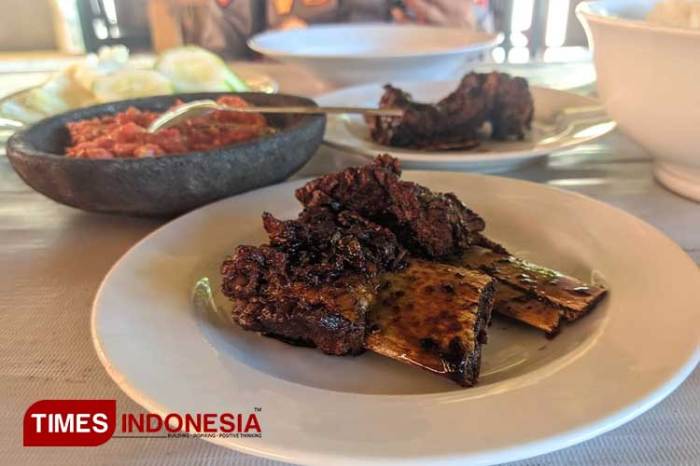 Pacitan's coastal cuisine is a vibrant tapestry of flavors, reflecting the bounty of the sea and the ingenuity of its people. It's a symphony of fresh seafood, aromatic spices, and traditional cooking techniques, creating a unique culinary experience that's both comforting and exciting.
Key Spices and Flavor Profiles, A Culinary Journey Through Pacitan’s Coastal Cuisine
The flavor profiles of Pacitan's coastal cuisine are characterized by a harmonious blend of fresh, savory, and spicy notes. Key spices that play a prominent role include:- Turmeric: This vibrant yellow spice adds a warm, earthy flavor and a beautiful golden hue to dishes.
- Ginger: A staple in many Southeast Asian cuisines, ginger lends a pungent, slightly sweet flavor and a warming effect.
- Garlic: Garlic's pungent aroma and flavor add depth and complexity to dishes, enhancing the savory notes.
- Chilis: The heat level can vary depending on the dish, but chili peppers add a vibrant kick and a touch of fire.
- Lemongrass: This fragrant herb adds a citrusy, grassy note that complements the seafood beautifully.
- Galangal: This ginger-like root adds a subtle, peppery flavor and a unique aroma to dishes.
- Kaffir Lime Leaves: These aromatic leaves add a refreshing, citrusy twist, balancing the richness of the seafood.
Traditional Cooking Methods
Pacitan's culinary heritage is deeply rooted in traditional cooking methods that have been passed down through generations. These methods not only preserve the flavors and textures of the ingredients but also contribute to the unique character of the cuisine.- Grilling: Grilling over charcoal imparts a smoky, charred flavor to seafood, enhancing its natural richness. This technique is often used for fish, squid, and prawns.
- Steaming: Steaming allows the seafood to retain its moisture and delicate flavors while cooking. This method is ideal for preserving the natural sweetness of fish and shellfish.
- Stir-frying: Stir-frying is a fast and efficient cooking method that allows for quick cooking times while preserving the crispness of vegetables. This technique is often used for seafood curries and noodle dishes.
Signature Dishes
Pacitan's coastal cuisine offers a wide array of signature dishes that showcase the unique blend of flavors and textures found in this region.- "Pecel Pitik": This traditional dish features chicken cooked in a flavorful turmeric-based sauce, served with a side of steamed rice and fresh vegetables. The chicken is tender and flavorful, with a hint of spice from the turmeric and chili peppers.
- "Sate Lele": These delicious skewers of catfish are marinated in a blend of spices and then grilled over charcoal. The catfish is tender and juicy, with a smoky flavor from the grilling process.
- "Sayur Asem": This tangy and flavorful soup features a variety of vegetables, including tamarind, starfruit, and spinach, cooked in a broth seasoned with turmeric, ginger, and chili peppers. It's a refreshing and healthy dish that is perfect for a light meal.
- "Gulai Ikan": This rich and flavorful curry features fish cooked in a coconut milk-based sauce, seasoned with turmeric, ginger, lemongrass, and chili peppers. The fish is tender and flaky, and the curry sauce is creamy and aromatic.
Culinary Adventures
 Embarking on a culinary journey through Pacitan's coastal cuisine isn't complete without experiencing the vibrant local markets and indulging in the flavors of authentic restaurants. These places offer a window into the heart of Pacitan's culinary heritage, where tradition meets innovation, and the freshest ingredients transform into mouthwatering dishes.
Exploring Local Markets
Pacitan's local markets are a sensory feast. The air is thick with the aroma of spices, fresh seafood, and ripe fruits. The stalls overflow with an abundance of colorful produce, from vibrant green vegetables to plump mangoes and juicy pineapples. This vibrant atmosphere reflects the richness of Pacitan's coastal bounty. The markets are a treasure trove for seafood lovers. The catch of the day is displayed proudly, with glistening fish, plump prawns, and glistening squid. You can also find a variety of dried seafood, perfect for adding a burst of umami to your dishes.Discovering Authentic Restaurants and Food Stalls
Pacitan boasts a diverse culinary scene, with restaurants and food stalls offering a wide range of local specialties. Here are some recommendations for experiencing authentic Pacitan coastal cuisine:- Warung Mbah Gito: This humble eatery is known for its delectable seafood dishes, especially its signature "Gurame Bakar" (grilled grouper fish) and "Udang Saus Padang" (prawns in Padang sauce). The flavors are bold and aromatic, reflecting the traditional cooking methods of Pacitan.
- Warung Lesehan Pak Joyo: This popular spot is renowned for its "Sate Ikan" (grilled fish skewers) and "Soto Ayam" (chicken soup). The "Sate Ikan" is marinated with a blend of spices, giving it a unique smoky flavor. The "Soto Ayam" is a comforting and flavorful broth, perfect for a warm meal.
- Warung Bu Yati: This food stall is famous for its "Nasi Pecel" (rice with a spicy peanut sauce). The sauce is made with a secret recipe, and it perfectly complements the fresh vegetables and grilled fish.
Navigating Local Markets and Finding Culinary Experiences
Navigating local markets can be an exciting adventure, but it's essential to keep a few things in mind:- Bargaining is expected: Don't be afraid to negotiate prices with vendors, especially for larger purchases.
- Embrace the local language: While many vendors speak basic English, learning a few Indonesian phrases can enhance your experience.
- Ask for recommendations: Don't hesitate to ask local vendors for recommendations on the best restaurants and food stalls in the area.
A Cultural Feast
In Pacitan, food is more than just sustenance; it's a vibrant tapestry woven into the fabric of social life and cultural traditions. From intimate family gatherings to grand celebrations, the aromas and flavors of Pacitan's cuisine are an integral part of the community's shared heritage.Food's Role in Celebrations and Festivals
Food plays a pivotal role in Pacitan's celebrations and festivals, serving as a means to strengthen community bonds and express cultural identity. These events offer a platform for showcasing the region's culinary prowess and sharing traditional recipes passed down through generations.- During the annual "Lebaran" festival, marking the end of Ramadan, Pacitan families gather to prepare and share a feast of traditional dishes, including "Ketupat," a rice cake wrapped in woven palm leaves, and "Rendang," a rich and flavorful beef curry. This culinary tradition symbolizes unity, gratitude, and the joy of togetherness.
- The "Sedekah Laut" festival, a ritual offering to the sea for a bountiful harvest, is marked by a vibrant procession followed by a community feast. Local delicacies like "Gulai Ikan" (fish curry) and "Pepes Ikan" (steamed fish wrapped in banana leaves) are prepared in abundance, reflecting the close relationship between the people of Pacitan and the sea.
Significance of Specific Dishes in Local Customs and Rituals
Certain dishes hold special significance in Pacitan's customs and rituals, reflecting deep-rooted beliefs and practices. These culinary traditions serve as tangible reminders of the community's history and cultural values.- "Sate Kambing" (goat satay), a popular street food, is often served during weddings and other celebratory occasions. The skewers of grilled meat, marinated in a blend of spices and herbs, symbolize prosperity and good fortune, making it a cherished part of these events.
- "Cenil," a chewy and sweet snack made from tapioca flour, is traditionally offered during the "Nyadran" ritual, a ceremony held to honor ancestors and seek blessings for a good harvest. The offering of "Cenil" symbolizes respect for the past and a hope for a prosperous future.
Food as a Link to Heritage
Food is a powerful tool for connecting Pacitan's people to their heritage. Sharing traditional recipes and culinary practices across generations helps preserve cultural traditions and fosters a sense of identity."Every bite of 'Nasi Pecel,' a traditional rice dish with a spicy peanut sauce, reminds me of my grandmother's kitchen and the warmth of family gatherings," shares a local resident.
Beyond the Plate: The Art of Pacitan's Cuisine
 Pacitan's culinary scene isn't just about delicious food; it's a testament to the artistry and skill passed down through generations. The dedication to quality ingredients, precise techniques, and artful presentation makes every meal a celebration of the region's culinary heritage.
Aesthetic Presentation in Pacitan's Cuisine
The presentation of Pacitan's dishes is as important as the taste. The vibrant colors of fresh seafood, the delicate arrangements of herbs and spices, and the use of traditional servingware all contribute to an overall aesthetic experience.- The Use of Natural Elements: Dishes are often garnished with fresh flowers, edible leaves, and other natural elements, creating a sense of harmony with nature.
- The Importance of Color: Pacitan's cuisine utilizes a wide range of colors, from the bright red of chili peppers to the deep green of leafy vegetables. This vibrant palette is not only visually appealing but also reflects the abundance of fresh produce available in the region.
- The Art of Arrangement: Pacitan chefs pay close attention to the arrangement of food on the plate. Dishes are often presented in a way that highlights the different textures and flavors, creating a visually appealing and balanced culinary experience.
Iconic Pacitan Dishes and Their Preparation
The following table showcases some iconic Pacitan dishes, their key ingredients, preparation methods, and the flavors that define them.| Dish | Ingredients | Preparation | Key Flavors |
|---|---|---|---|
| Gulai Ikan Manyung | Manyung fish, coconut milk, turmeric, lemongrass, galangal, chilies | The fish is marinated in a blend of spices and then simmered in a rich coconut milk broth. | Spicy, creamy, and aromatic, with a hint of citrus. |
| Pepes Ikan Tuna | Tuna, lemongrass, ginger, garlic, chilies, lime leaves, and turmeric | The tuna is wrapped in banana leaves and steamed, allowing the flavors to meld. | Fragrant, slightly spicy, and subtly tangy. |
| Sate Ayam Pacitan | Chicken, lemongrass, turmeric, galangal, ginger, garlic, and kecap manis (sweet soy sauce) | The chicken is marinated in a blend of spices and then grilled over charcoal. | Sweet, savory, and slightly spicy. |
| Sayur Lodeh | Various vegetables (jackfruit, pumpkin, eggplant, green beans), coconut milk, turmeric, lemongrass, and galangal | The vegetables are simmered in a creamy coconut milk broth with spices. | Mildly sweet, savory, and aromatic. |
Final Wrap-Up
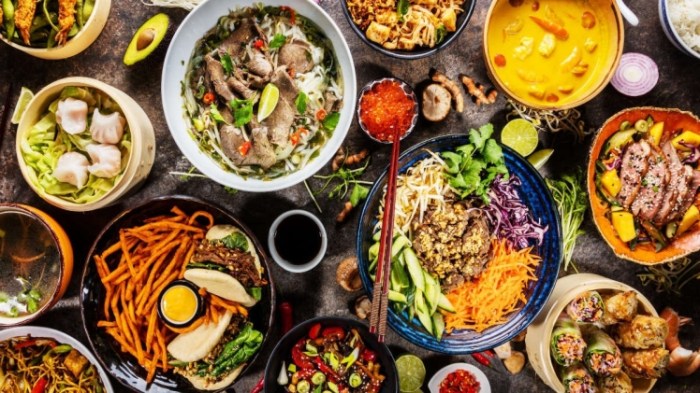
As you embark on a culinary journey through Pacitan's coastal cuisine, you'll discover a tapestry of flavors that reflects the region's rich history, cultural traditions, and natural bounty. From the freshest seafood to the aromatic spices, every bite tells a story, connecting you to the heart of Pacitan's culinary heritage. So, prepare your taste buds for an adventure that will leave you craving more, and let the flavors of Pacitan's coast transport you to a world of culinary delight.