

The Untold Stories of Watu Karung’s Coastal Beauty sets the stage for this enthralling narrative, offering readers a glimpse into a story that is rich in detail and brimming with originality from the outset. Nestled along the shores of [insert specific location], Watu Karung is a hidden gem, its coastal beauty waiting to be discovered. This region boasts a rich history, a vibrant culture, and a stunning natural landscape that has remained largely unexplored, offering a unique opportunity to experience the untouched beauty of the coast.
Watu Karung's coastline is a testament to the power of nature, showcasing breathtaking geological formations, diverse flora and fauna, and a rich ecosystem that is home to rare and endangered species. The area's cultural significance is equally profound, with local communities deeply intertwined with the ocean, their traditions and way of life shaped by the rhythms of the sea.
Introduction: Unveiling Watu Karung's Coastal Charm
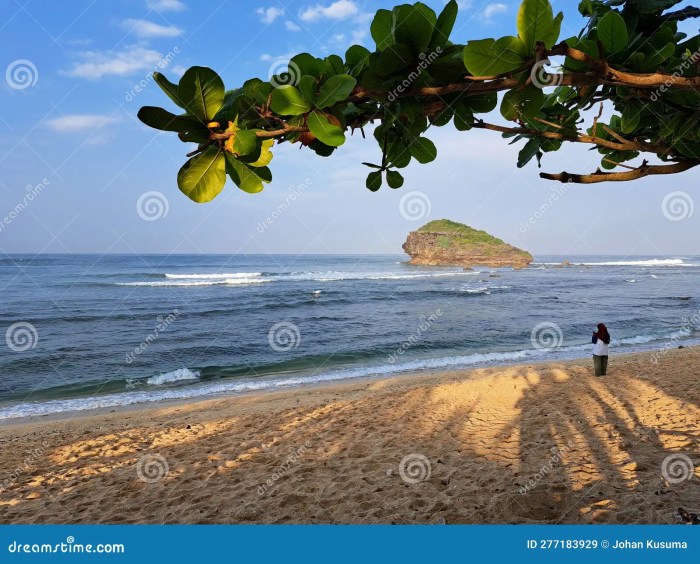 Nestled along the picturesque coastline of Indonesia, Watu Karung is a hidden gem waiting to be discovered. This coastal paradise boasts stunning beaches, rugged cliffs, and a rich cultural heritage that whispers tales of the past.
Watu Karung is located on the southern coast of Java, in the province of East Java. The area has a long history, with evidence of human settlements dating back centuries. It was once a bustling trading port, and its strategic location played a significant role in the development of the region. The cultural significance of Watu Karung is reflected in its traditional art forms, local cuisine, and the strong sense of community among its inhabitants.
Despite its undeniable beauty and rich cultural heritage, Watu Karung's coastal charm remains largely untold. The area has yet to be fully explored by tourists, making it a hidden gem waiting to be discovered. This lack of exposure can be attributed to a combination of factors, including limited infrastructure and lack of awareness about its unique attractions.
Nestled along the picturesque coastline of Indonesia, Watu Karung is a hidden gem waiting to be discovered. This coastal paradise boasts stunning beaches, rugged cliffs, and a rich cultural heritage that whispers tales of the past.
Watu Karung is located on the southern coast of Java, in the province of East Java. The area has a long history, with evidence of human settlements dating back centuries. It was once a bustling trading port, and its strategic location played a significant role in the development of the region. The cultural significance of Watu Karung is reflected in its traditional art forms, local cuisine, and the strong sense of community among its inhabitants.
Despite its undeniable beauty and rich cultural heritage, Watu Karung's coastal charm remains largely untold. The area has yet to be fully explored by tourists, making it a hidden gem waiting to be discovered. This lack of exposure can be attributed to a combination of factors, including limited infrastructure and lack of awareness about its unique attractions.
The Untamed Beauty of Watu Karung's Coastline
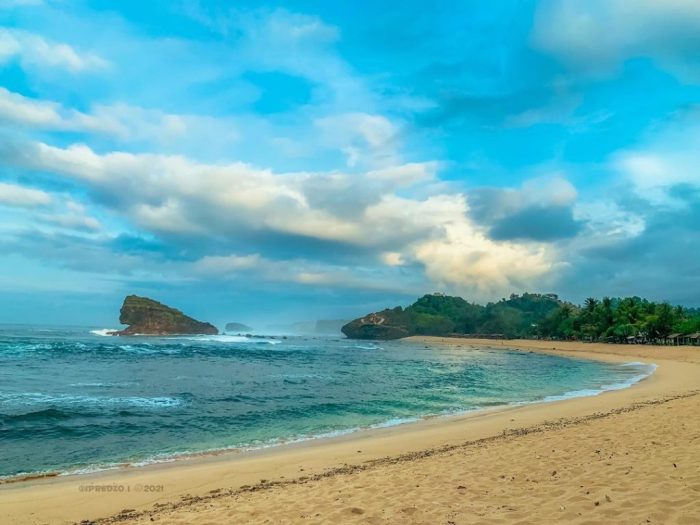 Watu Karung's coastline is a captivating tapestry of rugged beauty, sculpted by the relentless forces of nature over millennia. Its unique geological formations and diverse ecosystems create a breathtaking landscape that draws visitors from far and wide.
The Geological Marvels of Watu Karung's Coastline
Watu Karung's coastline is a testament to the power of geological processes. The region is characterized by towering cliffs, dramatic sea stacks, and hidden coves, all formed by the relentless erosion of waves and wind. These formations offer a glimpse into the Earth's history, showcasing the dynamic interplay between land and sea. The towering cliffs of Watu Karung are a striking sight, rising dramatically from the sea. They are formed by layers of sedimentary rock, laid down over millions of years, that have been gradually eroded by the waves. The cliffs are home to a variety of unique rock formations, including sea caves, arches, and stacks. Sea stacks are isolated rock formations that have been separated from the mainland by erosion. They are often found along the coast of Watu Karung, standing tall as sentinels against the crashing waves. These stacks provide important nesting sites for seabirds and other marine life. Hidden coves, sheltered from the open ocean, offer a glimpse into a different side of Watu Karung's coastline. These secluded bays are often home to pristine beaches, crystal-clear waters, and a rich diversity of marine life.The Diverse Flora and Fauna of Watu Karung's Coastline
Watu Karung's coastline is a haven for a wide variety of flora and fauna. The region's diverse ecosystems, ranging from rocky cliffs to sandy beaches, support a rich tapestry of life.Coastal Flora
The coastal vegetation of Watu Karung is adapted to survive the harsh conditions of the marine environment. Salt-tolerant plants, such as seagrasses, mangroves, and coastal shrubs, thrive along the shoreline. These plants play a vital role in stabilizing the coastline, providing shelter for marine life, and filtering pollutants from the water. Seagrasses, found in shallow, sheltered waters, form underwater meadows that provide habitat for a variety of fish, invertebrates, and sea turtles. They also play a crucial role in oxygenating the water and stabilizing the seabed. Mangrove forests, found in intertidal zones, are characterized by their salt-tolerant trees. These forests provide a nursery for young fish, a breeding ground for birds, and a natural buffer against coastal erosion. Coastal shrubs, such as beach morning glory and sea rocket, are adapted to survive the salty spray and strong winds of the coastline. These plants help to stabilize sand dunes and prevent erosion.Coastal Fauna
Watu Karung's coastline is home to a diverse array of marine life, including fish, invertebrates, sea turtles, and marine mammals. The region's rich biodiversity is a testament to the health of its coastal ecosystems. The waters off Watu Karung are teeming with fish, including reef fish, pelagic fish, and commercially important species. These fish are an important food source for local communities and a vital part of the marine ecosystem. Invertebrates, such as crabs, lobsters, and sea urchins, play a vital role in the marine food web. They are also a source of food and income for local communities. Sea turtles, such as green sea turtles and hawksbill turtles, are found in the waters off Watu Karung. These turtles are critically endangered and rely on healthy coastal ecosystems for nesting and feeding. Marine mammals, such as dolphins, whales, and dugongs, are occasionally sighted in the waters off Watu Karung. These animals are highly sensitive to pollution and habitat degradation, making their presence a positive indicator of the health of the marine environment.The Ecological Significance of Watu Karung's Coastal Environment
Watu Karung's coastline is a vital ecosystem that provides a range of ecological services, including: * Coastal protection: The coastal vegetation and geological formations of Watu Karung help to protect the coastline from erosion and storm surges. * Habitat for biodiversity: The diverse ecosystems of Watu Karung provide habitat for a wide variety of flora and fauna, including rare and endangered species. * Carbon sequestration: Mangrove forests and seagrasses play a vital role in sequestering carbon from the atmosphere, helping to mitigate climate change. * Tourism and recreation: Watu Karung's coastal beauty attracts visitors from around the world, supporting local economies and raising awareness of the importance of coastal conservation. The ecological significance of Watu Karung's coastline cannot be overstated. Its unique geological formations, diverse flora and fauna, and vital ecological services make it a treasure to be cherished and protected.Hidden Gems: The Untold Stories Of Watu Karung’s Coastal Beauty
Watu Karung's coastal beauty extends beyond its stunning beaches. Scattered along the coastline are hidden gems, waiting to be discovered. These lesser-known spots offer unique experiences, from breathtaking natural wonders to local cultural insights.Exploring Watu Karung's Coastal Treasures, The Untold Stories of Watu Karung’s Coastal Beauty
Watu Karung's coastline is dotted with hidden gems, each offering a unique experience. These destinations provide a chance to immerse yourself in the region's natural beauty and local culture.| Location Name | Description | Accessibility | Recommendations |
|---|---|---|---|
| Pantai Cemara | A secluded beach known for its towering pine trees that provide shade and a serene atmosphere. The beach is perfect for swimming, sunbathing, and picnicking. | Located about 10 kilometers from the main town, accessible by motorbike or car. | Best time to visit is during the dry season (April-October) for clear skies and calm waters. Pack your own food and drinks, as there are no nearby vendors. |
| Bukit Batu | A dramatic cliff overlooking the coastline, offering panoramic views of the turquoise waters and lush greenery. It's a popular spot for hiking and enjoying breathtaking sunsets. | Accessible by a short hike from a nearby village. | Visit during the evening for the best sunset views. Wear comfortable shoes and bring water. |
| Goa Keramat | A hidden cave with ancient rock carvings and a mystical atmosphere. It's believed to be a sacred site for local communities. | Located deep within a forested area, accessible by a guided tour. | Respect the local customs and traditions when visiting. Wear appropriate clothing and avoid disturbing the environment. |
| Kampung Nelayan | A traditional fishing village with a vibrant atmosphere. Visitors can witness the daily life of local fishermen and experience the authentic culture of Watu Karung. | Located near the harbor, easily accessible by foot. | Visit during the morning to see the fishermen returning with their catch. Be respectful of the local community and their way of life. |
Experiences Beyond the Shores
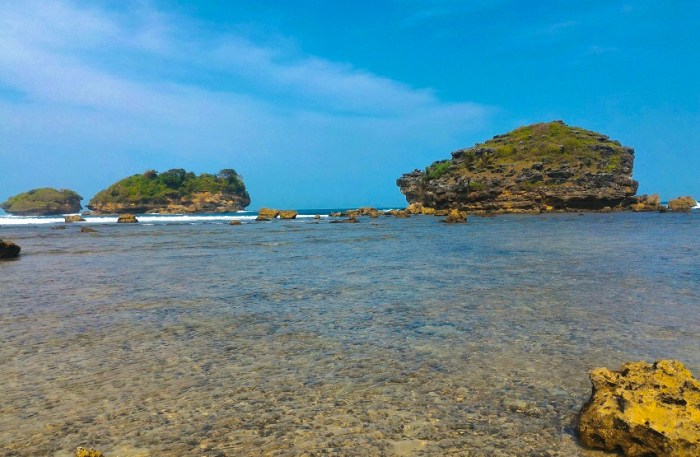 Watu Karung's coastal beauty is not just about the stunning landscapes, but also about the vibrant culture that thrives alongside it. The local communities, deeply connected to the ocean, have developed unique traditions and practices that are a testament to their rich heritage.
Cultural Connections to the Coast
The communities in Watu Karung have a long history of relying on the ocean for sustenance and livelihood. This connection is reflected in their traditions, festivals, and daily lives. For instance, the annual "Laut Berkah" festival celebrates the bounty of the sea, with fishermen offering prayers and sacrifices to ensure a prosperous fishing season. The vibrant colors and sounds of the festival, featuring traditional dances and music, are a testament to the deep reverence the communities hold for the ocean.Local Cuisine and the Ocean's Influence
The cuisine of Watu Karung is a delightful fusion of local flavors and the bounty of the sea. Fresh seafood, caught daily, is a staple ingredient, and dishes like "Ikan Bakar Kecap" (grilled fish with soy sauce) and "Sate Ikan" (fish satay) are popular local favorites. The use of spices like turmeric, ginger, and chili adds a unique dimension to the dishes, reflecting the local culinary traditions. The coastal influence is also evident in the use of coconut milk and other tropical fruits, creating a symphony of flavors that are both refreshing and satisfying.A Cultural Immersion Itinerary
For visitors seeking a deeper understanding of Watu Karung's cultural richness, here's a suggested itinerary:- Attend the "Laut Berkah" festival, if visiting during the appropriate season, to experience the vibrant celebration of the ocean's bounty and witness traditional dances and music.
- Visit a local fishing village and learn about traditional fishing techniques and the communities' relationship with the sea.
- Take a cooking class and learn to prepare local seafood dishes, such as "Ikan Bakar Kecap" or "Sate Ikan," under the guidance of a local chef.
- Visit a local market and experience the bustling atmosphere, where fresh seafood and local produce are sold alongside traditional crafts and souvenirs.
- Attend a cultural performance showcasing traditional dances and music, reflecting the local communities' artistic heritage.
Preserving Watu Karung's Coastal Paradise
Watu Karung's breathtaking coastal beauty is a treasure worth protecting. However, like many coastal areas around the world, it faces environmental challenges that threaten its delicate ecosystem. Recognizing these challenges and implementing sustainable practices is crucial to ensure the long-term preservation of this natural paradise.Sustainable Tourism Practices
Sustainable tourism practices play a vital role in balancing tourism development with environmental protection. These practices aim to minimize the negative impacts of tourism while maximizing its benefits for local communities and the environment.- Eco-friendly accommodations: Promoting eco-friendly accommodations that minimize energy consumption, water usage, and waste generation. These accommodations can implement measures like using solar power, rainwater harvesting, and composting.
- Responsible waste management: Implementing effective waste management systems to reduce pollution and promote recycling. This includes providing proper waste disposal facilities for tourists and encouraging the use of reusable items.
- Conservation education: Educating tourists about the importance of preserving the natural environment and promoting responsible behavior. This can be done through informative brochures, guided tours, and interactive displays.
- Supporting local communities: Encouraging tourists to support local businesses and communities, promoting cultural exchange, and respecting local traditions. This helps ensure the benefits of tourism are shared equitably.
Outcome Summary
Watu Karung's coastal beauty is a treasure waiting to be unveiled. By exploring the hidden gems, experiencing the cultural richness, and understanding the environmental challenges, visitors can gain a deeper appreciation for this extraordinary region. As we strive to preserve Watu Karung's natural paradise, let us embrace sustainable tourism practices and support initiatives that protect this fragile ecosystem for generations to come.