

How to Stay Safe While Surfing at Watu Karung Beach is a guide for surfers of all levels who want to enjoy this popular Indonesian surf spot while minimizing risks. Watu Karung Beach is renowned for its consistent waves, offering a thrilling experience for surfers. However, the beauty of this beach comes with its own set of challenges. Strong currents, unpredictable tides, and hidden underwater obstacles can pose significant dangers. This guide provides essential safety tips, precautions, and knowledge about the local conditions to ensure a safe and enjoyable surfing experience.
Understanding the specific characteristics of Watu Karung Beach is crucial for surfers. Located on the south coast of Java, the beach boasts consistent waves that attract surfers from all over the world. The waves are generally powerful and consistent, offering a challenging yet rewarding surf experience. However, the beach is also known for its strong currents, which can quickly pull unsuspecting surfers out to sea. It is essential to be aware of the changing tide patterns, as they can significantly impact the wave conditions and the strength of the currents.
Understanding Watu Karung Beach
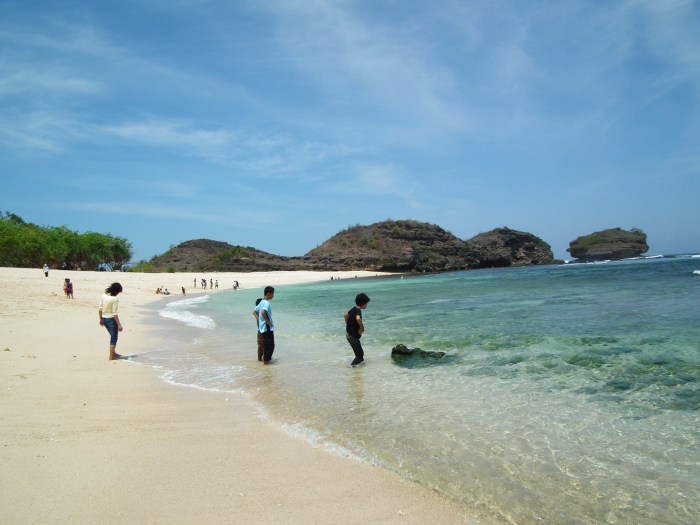
 Watu Karung Beach, located on the southern coast of Java, Indonesia, is a popular destination for surfers seeking challenging waves and a unique surfing experience. This beach boasts a picturesque setting, with towering cliffs, lush vegetation, and crystal-clear waters. Understanding the geographical features, wave patterns, and potential hazards of Watu Karung Beach is crucial for surfers to enjoy a safe and rewarding surfing experience.
Geographical Features
Watu Karung Beach is characterized by its dramatic coastline, featuring towering cliffs that rise from the shoreline. These cliffs create a unique microclimate, influencing the wind patterns and wave formations. The beach itself is relatively narrow, with a gradual slope leading to the water. The seabed is predominantly sandy, with occasional rocky outcrops and coral reefs.Wave Patterns
Watu Karung Beach is known for its powerful waves, generated by the strong southwesterly winds that prevail during the dry season (May to September). These waves are typically characterized by their hollow barrels and fast speeds, making them challenging and exciting for experienced surfers. The wave patterns at Watu Karung are influenced by the shape of the coastline, the depth of the water, and the direction of the wind. During the dry season, the waves tend to be larger and more consistent, while during the wet season (October to April), the waves are smaller and less consistent.Potential Hazards
Surfing at Watu Karung Beach presents several potential hazards that surfers need to be aware of. The strong currents, especially during high tide, can be challenging to navigate. The presence of coral reefs and rocky outcrops poses a risk of injury if surfers are not careful. The unpredictable nature of the waves, with their fast speeds and hollow barrels, can lead to wipeouts and injuries. It is essential for surfers to assess their skill level and the current conditions before entering the water.Local Weather Conditions
The weather conditions at Watu Karung Beach can change rapidly, impacting surfing safety. During the dry season, the weather is typically sunny and dry, with strong winds. However, occasional thunderstorms can occur, creating dangerous conditions. During the wet season, the weather is characterized by heavy rainfall and strong winds, making surfing hazardous. It is crucial to monitor the weather forecast before and during your surfing session and be prepared to exit the water if conditions deteriorate.Essential Safety Precautions
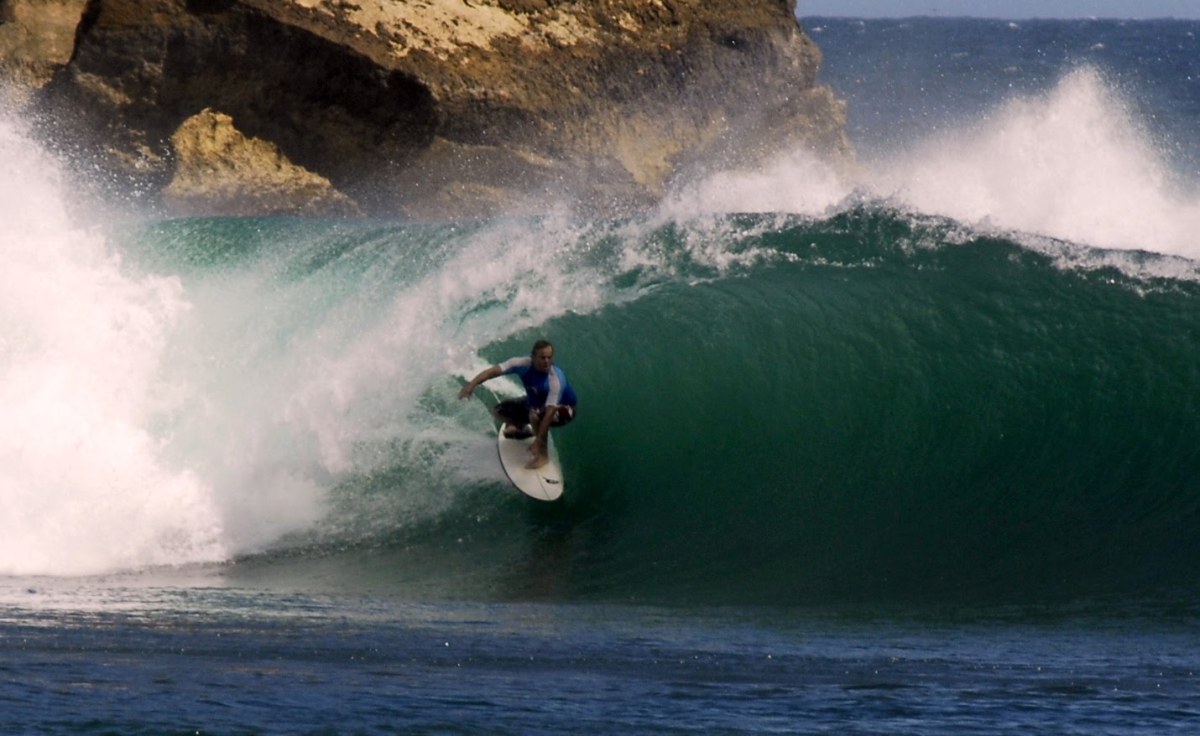 Surfing at Watu Karung Beach, like any surfing spot, requires taking necessary precautions to ensure a safe and enjoyable experience. This section Artikels essential safety gear, the importance of weather and tide checks, and understanding your skill level and equipment limitations.
Essential Safety Gear
Having the right safety gear is crucial for surfing at Watu Karung Beach. It provides protection and aids in case of emergencies. Here is a list of essential safety gear:- Leash: A leash connects your surfboard to your ankle, preventing you from losing your board in the waves and potentially getting swept away. Choose a leash that is the appropriate length for your board and surfing style.
- Surfboard: Selecting the right surfboard is essential for your safety and enjoyment. A board that is too small or too large can make surfing difficult and potentially dangerous. Choose a board that is appropriate for your skill level and the conditions at Watu Karung Beach.
- Fins: Fins provide propulsion and stability in the water. They come in various sizes and designs, so choose fins that are comfortable and provide the right amount of power and control for your surfing style.
- Wetsuit: A wetsuit provides warmth and protection from the elements, especially in colder water temperatures. The thickness of the wetsuit depends on the water temperature and your personal preference.
- Surf Wax: Surf wax provides grip on the surfboard, allowing you to maintain your balance and control. Different types of wax are available for different water temperatures. Choose the appropriate wax for the water temperature at Watu Karung Beach.
- Sunscreen: Sun protection is essential when surfing, as you will be exposed to the sun for extended periods. Apply a high-SPF sunscreen to protect your skin from sunburn and skin damage.
- Rash Guard: A rash guard protects your skin from chafing and sunburn. It can also provide warmth in colder water temperatures.
- Life Jacket: While not always mandatory, a life jacket can be a valuable safety measure, especially for beginners or those who are not strong swimmers. It provides buoyancy and can help you stay afloat if you fall off your board.
- First Aid Kit: A basic first aid kit is essential for any surfer, as minor injuries can occur. It should include items such as antiseptic wipes, bandages, and pain relievers.
Checking Weather Forecasts and Tide Tables
Before heading out to surf at Watu Karung Beach, it is crucial to check the weather forecasts and tide tables. These factors significantly influence the conditions at the beach and can impact your safety.- Weather Forecasts: Check for wind speed and direction, wave height, and potential storms. Strong winds can make surfing difficult and dangerous, while large waves can be overwhelming for beginners. Avoid surfing during storms or when there are strong winds.
- Tide Tables: Tide tables indicate the height of the tide at different times of the day. The tide can affect the size and shape of the waves, as well as the depth of the water. Check the tide tables to determine the best time to surf, considering your skill level and the conditions at Watu Karung Beach.
Surfing Within Your Skill Level
Surfing within your skill level is crucial for safety and enjoyment. Pushing your limits too far can lead to accidents and injuries.- Beginner Surfers: Beginners should start in smaller waves and gradually work their way up to larger waves as they gain experience. Avoid surfing in areas with strong currents or large waves.
- Intermediate Surfers: Intermediate surfers should be aware of their limitations and choose waves that they can handle. Avoid surfing in areas with strong currents or large waves unless they have the necessary skills and experience.
- Advanced Surfers: Advanced surfers should be confident in their abilities and be aware of the risks associated with surfing in larger waves. They should also be familiar with the local conditions and be able to navigate currents and other hazards.
Understanding Equipment Limitations
Your equipment plays a significant role in your safety while surfing. Understanding the limitations of your equipment is essential for making informed decisions and avoiding dangerous situations.- Surfboard: The size and type of surfboard you choose will affect your performance and safety. A board that is too small or too large can make surfing difficult and potentially dangerous. Choose a board that is appropriate for your skill level and the conditions at Watu Karung Beach.
- Leash: The leash connects your surfboard to your ankle and can prevent you from losing your board in the waves. Choose a leash that is the appropriate length for your board and surfing style.
- Fins: Fins provide propulsion and stability in the water. They come in various sizes and designs, so choose fins that are comfortable and provide the right amount of power and control for your surfing style.
Recognizing and Avoiding Hazards
 Watu Karung Beach, with its captivating beauty, presents a unique set of challenges for surfers. Understanding the potential hazards and knowing how to react appropriately is crucial for a safe and enjoyable surfing experience. This section will discuss common hazards present at Watu Karung Beach, including strong currents, rip currents, and underwater obstacles. It will also provide insights into recognizing and escaping rip currents, emphasizing the importance of maintaining awareness of your surroundings and respecting the power of the ocean.
Rip Currents
Rip currents are powerful channels of water that flow away from the shore, perpendicular to the coastline. They are a common hazard at Watu Karung Beach, especially during high tide or when strong winds are present. Rip currents can quickly pull even experienced swimmers out to sea, posing a significant risk to surfers.- Signs of a Rip Current: Rip currents can be identified by looking for a break in the wave pattern, a channel of choppy water, or a difference in water color, where the water is darker or more turbulent.
- Symptoms of Being Caught in a Rip Current: If you find yourself caught in a rip current, you may feel yourself being pulled out to sea, unable to swim back to shore. The current can feel strong and overwhelming.
Escaping a Rip Current
The most important thing to remember if caught in a rip current is to stay calm and conserve your energy. Do not try to swim directly against the current. Instead, follow these steps:- Relax and Float: Let the current pull you out a short distance.
- Swim Parallel to the Shore: Once you feel the current weakening, swim parallel to the shore, away from the rip current.
- Signal for Help: If you are unable to escape the rip current, wave your arms and shout for help.
Strong Currents
Watu Karung Beach is known for its strong currents, which can make surfing challenging, especially for beginners. The currents can be unpredictable and change rapidly, so it's crucial to be aware of their strength and direction before entering the water.Underwater Obstacles
The ocean floor at Watu Karung Beach can be uneven, with coral reefs, rocks, and other underwater obstacles. These obstacles can pose a hazard to surfers, especially when visibility is poor. It is essential to be aware of your surroundings and avoid areas where underwater obstacles are known to exist.Surfing Etiquette and Respect
Surfing at Watu Karung Beach is a shared experience, and respecting local customs and the environment is crucial for a positive and safe surfing experience.Respecting Local Surfers and the Environment, How to Stay Safe While Surfing at Watu Karung Beach
Watu Karung Beach is known for its strong surf culture. Respecting local surfers is essential for harmonious surfing. It's important to understand the local surf etiquette and follow it diligently. This includes understanding the pecking order in the lineup, respecting the rights of way, and avoiding unnecessary interference.Navigating Crowded Surf Breaks
Watu Karung Beach can get crowded, especially during peak season. Here are some tips to navigate crowded surf breaks safely:- Paddle wide: When paddling out, paddle wide of the other surfers to avoid collisions.
- Look before you drop: Before dropping in, ensure no one has priority, and you're not cutting anyone off.
- Communicate: Use verbal cues like "going left" or "going right" to inform others of your intended direction.
- Don't drop in: It's considered extremely disrespectful to "drop in" on another surfer who is already on the wave. The surfer closest to the peak of the wave has priority.
Minimizing Impact on the Marine Ecosystem
The marine ecosystem at Watu Karung Beach is delicate. It's essential to minimize your impact while surfing:- Avoid stepping on coral reefs: Coral reefs are fragile and easily damaged. If you must walk on them, do so carefully and avoid standing on them.
- Leave no trace: Take all your trash with you, and don't leave anything behind. Help keep the beach clean.
- Respect marine life: Avoid disturbing or harming marine animals. Observe them from a distance and do not touch or feed them.
First Aid and Emergency Procedures
 While surfing at Watu Karung Beach, it's essential to be prepared for unexpected situations. Knowing basic first aid and emergency procedures can make a significant difference in case of an accident or injury.
Essential First Aid Knowledge and Procedures
It's crucial to have a basic understanding of first aid for common surfing injuries. The following table Artikels essential first aid knowledge and procedures for cuts, sprains, and stings:| Injury | First Aid |
|---|---|
| Cuts |
|
| Sprains |
|
| Stings |
|
Surfboard Leash and Rescue Techniques
Knowing how to use a surfboard leash and rescue techniques is vital for surfer safety.- Surfboard Leash: A surfboard leash is a safety device that connects the surfer to the surfboard, preventing the board from drifting away if the surfer falls off. It's crucial to use a leash that is the correct length and in good condition.
- Rescue Techniques: If you see a fellow surfer in distress, approach them cautiously and assess the situation. If the surfer is conscious, offer assistance by providing a surfboard or a flotation device. If the surfer is unconscious, attempt to rescue them by using a rescue board or by swimming to them and towing them to safety. It's important to be aware of your own limitations and to call for help if necessary.
Emergency Contact Information
In case of an emergency, it's crucial to know how to contact the nearest lifeguard station or emergency services.- Lifeguard Station: The nearest lifeguard station at Watu Karung Beach is located [location details]. You can contact them at [phone number] or [other contact information].
- Emergency Services: If you need to contact emergency services, dial [emergency number] (e.g., 911 in the US). Be prepared to provide your location and the nature of the emergency.
Last Word: How To Stay Safe While Surfing At Watu Karung Beach

Surfing at Watu Karung Beach can be an exhilarating experience, but it's crucial to prioritize safety and respect the power of the ocean. By understanding the local conditions, preparing with essential gear, and following surfing etiquette, surfers can minimize risks and enjoy a memorable and safe adventure. Remember to always surf within your skill level, be aware of your surroundings, and respect the marine ecosystem. Should you find yourself in an emergency, knowing the location of the nearest lifeguard station and emergency services is vital. With proper knowledge and precautions, you can confidently conquer the waves at Watu Karung Beach and return home with tales of thrilling surfing adventures.