

Learning to Surf: A Beginner’s Guide to Watu Karung takes center stage, inviting you to explore the captivating world of surfing at this unique Indonesian destination. Watu Karung, nestled on the southern coast of Java, is renowned for its consistent waves, making it an ideal spot for both novice and experienced surfers. This guide will provide a comprehensive overview of everything you need to know to embark on your surfing journey in Watu Karung, from choosing the right equipment to mastering basic techniques and understanding local etiquette.
Whether you're a complete beginner or have some surfing experience, this guide will equip you with the knowledge and confidence to conquer the waves of Watu Karung. Get ready to embrace the thrill of riding waves, experience the beauty of the Indonesian coastline, and create unforgettable memories as you learn to surf in this surfer's paradise.
Introduction to Watu Karung
Watu Karung, a hidden gem nestled on the southern coast of Java, Indonesia, has emerged as a haven for surfers seeking challenging and rewarding waves. This secluded beach, known for its consistent swells and pristine natural beauty, offers a unique surfing experience that attracts both seasoned professionals and enthusiastic beginners.Origin and History of Watu Karung
Watu Karung, meaning "Stone Bag" in Indonesian, derives its name from the distinctive rock formations that line the beach. The area has long been inhabited by local fishing communities, who have traditionally used the beach for fishing and other maritime activities. Surfing in Watu Karung gained popularity in recent years, as word spread about its exceptional waves and the region's untouched natural beauty. The area has since become a popular destination for surfers from around the world, attracting both experienced riders and those looking to learn the sport.Unique Characteristics of Watu Karung Waves
Watu Karung is renowned for its powerful and consistent waves, formed by the interaction of the Indian Ocean swells with the unique underwater topography. The waves are typically hollow and fast, offering a thrilling ride for experienced surfers. However, the beach also features a gentle, gradual slope, making it suitable for beginners to learn the basics of surfing. The waves at Watu Karung are known for their challenging nature, with powerful currents and unpredictable conditions.Ideal Conditions for Surfing at Watu Karung
The ideal conditions for surfing at Watu Karung are characterized by a combination of swell size, wind direction, and tide.Swell
The best swell direction for Watu Karung is from the south-southwest, generating clean and consistent waves. The optimal swell size for beginners is between 1-2 meters, providing manageable waves for learning. Experienced surfers can enjoy larger swells, up to 3 meters, for more challenging rides.Wind
The ideal wind conditions for surfing at Watu Karung are offshore winds, blowing from the land towards the ocean. Offshore winds create clean, glassy waves, enhancing the surfing experience. Strong onshore winds, blowing from the ocean towards the land, can create choppy and difficult conditions.Tide
The tide plays a significant role in shaping the waves at Watu Karung. The best time to surf is during high tide, when the waves are larger and more consistent. Low tide can create shallow and difficult conditions, especially for beginners.Choosing the Right Equipment
Having the right equipment is crucial for a safe and enjoyable surfing experience, especially when starting out. Watu Karung's waves are known for their consistent power and challenging conditions, making it essential to select gear that matches your skill level and the specific environment.Surfboard Selection
Choosing the right surfboard is a crucial step for beginner surfers. The board you select will significantly impact your stability, paddling speed, and overall surfing experience. At Watu Karung, the waves are generally powerful and require a board that offers stability and ease of paddling. Here's a breakdown of surfboard types suitable for beginners:- Longboard: These boards are long, wide, and thick, providing exceptional stability and ease of paddling. They're ideal for beginners as they offer a large surface area for balance and a forgiving nature, allowing you to catch more waves and learn the basics without feeling overwhelmed. Longboards are also known for their smooth and graceful riding style, making them a great choice for cruising and enjoying the ride.
- Funboard: Funboards are shorter and narrower than longboards but still offer a good amount of stability and paddling ease. They're a great option for beginners who want a more maneuverable board while still benefiting from a forgiving design. Funboards are versatile and can be used in a variety of conditions, making them a popular choice for intermediate surfers as well.
- Softboard: Softboards are designed with a soft, foam top and a flexible construction, making them ideal for beginners. They are very forgiving, reducing the risk of injuries from hard falls. Softboards are also great for learning basic surfing techniques in a safe and fun environment.
- Your height and weight: A heavier surfer will require a larger board than a lighter surfer. A good rule of thumb is to choose a board that is at least as long as your height.
- Your skill level: Beginners should start with a longer, wider board for stability and ease of paddling. As you progress, you can gradually move to shorter and narrower boards.
- The wave conditions: Watu Karung typically has powerful waves, so choosing a board that provides stability and ease of paddling is crucial.
- The type of surfing you want to do: If you want to focus on long rides and smooth surfing, a longboard is a great choice. If you prefer a more maneuverable board for shorter, more dynamic rides, a funboard or softboard might be better.
Wetsuit Selection
Choosing the right wetsuit is essential for staying warm and comfortable in the water. The water temperature at Watu Karung can vary depending on the season.- Summer (April-October): During the summer months, the water temperature at Watu Karung can range from 24°C to 28°C. A short-sleeved wetsuit or a rashguard might be sufficient for most surfers.
- Winter (November-March): During the winter months, the water temperature can drop to 18°C to 22°C. A full-length wetsuit with a hood is recommended for staying warm and comfortable.
- Thickness: The thickness of the wetsuit will determine how warm it keeps you. Thicker wetsuits are better for colder water temperatures.
- Type of neoprene: There are different types of neoprene used in wetsuits, each with its own advantages and disadvantages. Look for a wetsuit made from high-quality neoprene that provides good insulation and flexibility.
- Fit: The wetsuit should fit snugly but comfortably. It should not be too tight or too loose.
Safety Equipment
Safety is paramount when surfing, especially in challenging conditions like those found at Watu Karung. Here's a breakdown of essential safety equipment:- Leash: A leash is a vital safety device that connects you to your surfboard. It prevents your board from drifting away from you in the water and ensures you can quickly get back on your board if you fall off. Choose a leash that is the right length for your surfboard and the conditions you'll be surfing in. For beginners, a shorter leash is generally recommended.
- Fins: Fins are essential for providing propulsion and stability in the water. For beginners, soft fins are a good choice as they are more forgiving and easier to use. As you progress, you can switch to harder fins for more speed and maneuverability.
- Wax: Wax is applied to the top of your surfboard to provide grip for your feet. It helps you maintain balance and prevents you from slipping off the board. The type of wax you need will depend on the water temperature. Warmer water requires softer wax, while colder water requires harder wax.
Basic Surfing Techniques
Once you have your surfboard and are comfortable in the water, it's time to learn the basic techniques for catching and riding waves. Mastering these fundamental skills will set you on the path to becoming a confident surfer.Paddling Technique
Paddling is crucial for catching waves and gaining speed. It requires a coordinated effort of your arms and core.- Lie flat on your board: Position yourself with your chest flat on the board, your hands gripping the rails, and your feet pointing towards the tail.
- Keep your core engaged: Engage your core muscles to maintain stability and power your strokes.
- Use long, powerful strokes: Extend your arms fully with each stroke, reaching as far forward as possible, and pull back with your entire arm, using your back and shoulder muscles.
- Maintain a steady rhythm: Find a consistent paddling rhythm that allows you to generate momentum without tiring too quickly.
- Keep your eyes focused on the horizon: This helps you maintain balance and stay aware of your surroundings.
Pop-Up Technique
The pop-up is the transition from lying on your board to standing up. It requires quick movements and coordination.- Start paddling towards the breaking wave: As the wave starts to lift you, paddle hard to gain speed.
- Position your hands: Place your hands shoulder-width apart on the board, just below your chest.
- Pop up with your feet: Push off with your hands and simultaneously bring your feet underneath you, placing one foot slightly behind the other, about shoulder-width apart.
- Find your balance: Once you're standing, bend your knees slightly to absorb any bumps and maintain stability.
- Keep your eyes focused on the horizon: This helps you maintain balance and stay aware of your surroundings.
Stance and Balance
A stable stance is essential for controlling the surfboard and navigating the wave.- Surfing stance: Stand with your feet shoulder-width apart, knees slightly bent, and your weight balanced over your feet. Your front foot should be slightly forward, pointing in the direction you want to go, while your back foot is angled slightly outwards.
- Use your core: Engage your core muscles to maintain balance and control the board. Your core acts as a stabilizer, helping you adjust to the movements of the wave.
- Shift your weight: To turn, shift your weight slightly towards the direction you want to go. Lean into your turns, but avoid leaning too far, as this can cause you to lose your balance.
- Keep your eyes focused on the horizon: This helps you maintain balance and stay aware of your surroundings.
Navigating the Surf Break
Understanding the different sections of a wave and how they interact is crucial for navigating the surf break safely and effectively. This knowledge will help you position yourself for the best waves, avoid hazards, and navigate around other surfers.Identifying Different Sections of a Wave
The anatomy of a wave can be divided into several key sections:- Peak: The highest point of the wave, where it breaks first.
- Face: The part of the wave that is breaking, offering the surfer a ride.
- Shoulder: The less steep, outer section of the wave, usually where beginners start.
- Pocket: The deepest part of the wave, where it breaks most intensely, offering the most powerful ride.
- Lip: The crest of the breaking wave, which curls over and can be used for aerial maneuvers.
- Barrel: A hollow tube formed when the lip of the wave curls over, providing a thrilling ride.
- Foam ball: The white water that forms after the wave breaks, offering a softer ride for beginners.
Identifying Potential Hazards in the Surf Zone
The surf zone can be a dynamic and unpredictable environment, posing several potential hazards:- Rip Currents: Powerful currents that flow away from the shore, pulling swimmers and surfers out to sea. They are often marked by a calmer, clearer area of water surrounded by choppy waves.
- Rocks and Reefs: Underwater obstacles that can cause injuries if you collide with them. Look for areas with sandy bottoms or clearly marked channels to avoid these hazards.
- Strong Waves: Large waves can be difficult to handle, especially for beginners. Choose a spot with smaller waves and gradually progress to larger ones.
- Other Surfers: Collisions with other surfers are common in crowded surf breaks. Be aware of your surroundings and communicate with other surfers to avoid collisions.
Navigating Around Other Surfers
Surfing etiquette is crucial for maintaining a safe and enjoyable experience for everyone. Here are some tips for navigating around other surfers:- Paddle Wide: When paddling out, stay wide of other surfers who are already in position to catch a wave.
- Yield to the Inside: The surfer closest to the peak of the wave has priority. If you are paddling out and someone is already on the wave, let them have it.
- Communicate: Use verbal cues or hand signals to communicate with other surfers, such as "going left" or "going right." This helps avoid collisions.
- Avoid Dropping In: Don't paddle in front of someone who is already on a wave, as this is considered bad etiquette and can lead to collisions.
Riding the Wave
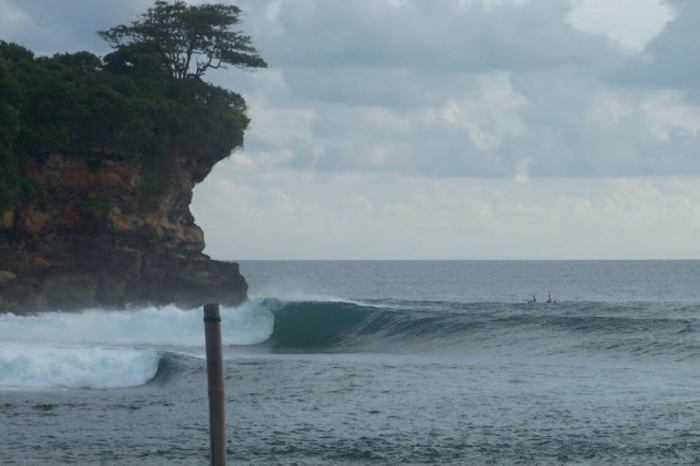 The moment you’ve been waiting for – catching a wave and riding it to the shore. It's an exhilarating feeling that makes all the paddling and wiping out worth it. Mastering the art of riding the wave involves understanding basic maneuvers, generating speed, and maintaining momentum.
Turning and Carving
Turning and carving on a wave are fundamental skills that allow you to control your direction and enjoy the ride.- Bottom Turn: This is the initial turn that sets you up for the rest of the ride. As you catch the wave, shift your weight to your back foot and lean into the wave, turning your body and the board in the direction you want to go. The bottom turn is crucial for generating speed and setting up for your next maneuver.
- Top Turn: Once you've gained speed and are heading towards the top of the wave, you can initiate a top turn. Shift your weight to your front foot and lean into the wave, turning your body and the board in the opposite direction of the bottom turn. This maneuver helps you maintain control and ride down the wave.
- Carving: Carving involves making smooth, flowing turns on the wave. To carve, use a combination of your body weight, foot pressure, and the angle of the board to control your direction. This technique allows you to navigate the wave with precision and grace, adding a sense of fluidity to your surfing experience.
Surfing Etiquette: Learning To Surf: A Beginner’s Guide To Watu Karung
Surfing etiquette is crucial for a harmonious and safe experience at Watu Karung. It ensures everyone can enjoy the waves without conflict or danger.Respecting Local Customs and Traditions
The local community in Watu Karung holds deep respect for the ocean and its resources. To honor their traditions, it is essential to be mindful of local customs.- Always ask permission before entering the water, especially if you are a visitor.
- Respect the local surf guides and instructors. They are knowledgeable about the area and can provide valuable insights.
- Dress modestly when visiting the beach and surrounding areas. Avoid wearing revealing clothing or swimwear.
- Refrain from littering or disturbing the natural environment.
Essential Rules of Surfing Etiquette
Surfing etiquette at Watu Karung is based on a set of unwritten rules that ensure everyone enjoys the waves safely and respectfully.| Rule | Description |
|---|---|
| Paddle Wide | When paddling out, stay wide of surfers already catching waves. This avoids collisions and ensures everyone has space. |
| Don't Drop In | Never paddle in front of someone already on a wave. This is considered a major faux pas and can lead to accidents. |
| Priority to the Inside Surfer | If two surfers are paddling for the same wave, the surfer closest to the peak (inside) has priority. |
| Don't Snake | Don't paddle around another surfer to get into a better position on a wave. This is considered disrespectful and dangerous. |
| Communicate Clearly | Use verbal cues, like "going left" or "going right," to let others know your intended direction on a wave. |
| Respect the Locals | Always be respectful of local surfers. They have a deep understanding of the waves and the area. |
Safety and Awareness in the Water
Surfing can be a thrilling experience, but it is essential to prioritize safety.- Always surf within your abilities. Don't attempt waves that are too big or challenging.
- Be aware of your surroundings. Watch for other surfers, boats, and marine life.
- Wear a leash to stay connected to your board. This prevents you from getting separated in strong currents.
- Use sunscreen and a rash guard to protect yourself from the sun.
- If you are unsure about anything, ask a local surfer or guide for advice.
Local Resources and Tips
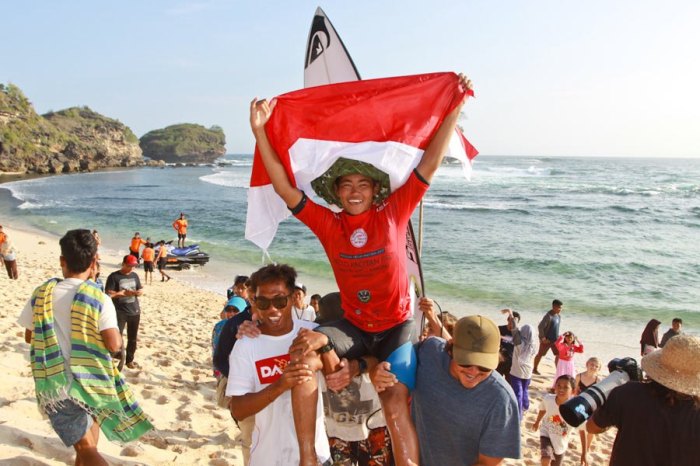 Watu Karung offers a unique surf experience, and knowing the local resources and tips can significantly enhance your trip. This section will guide you on finding the best surf schools, accessing prime surf spots, and navigating local amenities like accommodation, food, and transportation.
Surf Schools and Operators
Watu Karung is home to several reputable surf schools and operators. These schools offer lessons for all levels, from beginners to advanced surfers. They provide experienced instructors, quality equipment, and a safe learning environment.
- [Surf School Name 1]: This school is known for its patient and encouraging instructors. They offer a range of courses, including private lessons and group sessions.
- [Surf School Name 2]: This school specializes in teaching beginners. They have a dedicated team of instructors who focus on building a strong foundation in surfing.
- [Surf School Name 3]: This school is popular for its fun and relaxed atmosphere. They offer a variety of packages, including accommodation and surf trips.
Accessing the Best Surf Spots
Watu Karung has a variety of surf spots, each with its unique characteristics. Local knowledge can help you find the best spots based on your skill level and the current conditions.
- [Surf Spot Name 1]: This spot is ideal for beginners, offering gentle waves and a sandy bottom.
- [Surf Spot Name 2]: This spot is known for its challenging waves, attracting experienced surfers.
- [Surf Spot Name 3]: This spot is a popular choice for intermediate surfers, offering a mix of mellow and powerful waves.
It's essential to respect the local surf etiquette and avoid overcrowding popular spots. Arrive early in the morning or check less crowded areas to enjoy a more peaceful surf session.
Accommodation, Food, and Transportation
Watu Karung offers a range of accommodation options, from budget-friendly guesthouses to luxurious resorts. Local restaurants and cafes serve delicious Indonesian cuisine and international dishes. Transportation options include taxis, motorbikes, and public buses.
- Accommodation: You can find guesthouses, homestays, and hotels near the beach. Consider booking in advance, especially during peak season.
- Food: Watu Karung has a variety of restaurants and cafes offering local and international cuisines. Enjoy fresh seafood, traditional Indonesian dishes, and Western favorites.
- Transportation: Taxis are readily available, and motorbikes can be rented for exploring the area. Public buses connect Watu Karung to nearby towns and cities.
Safety and Precautions
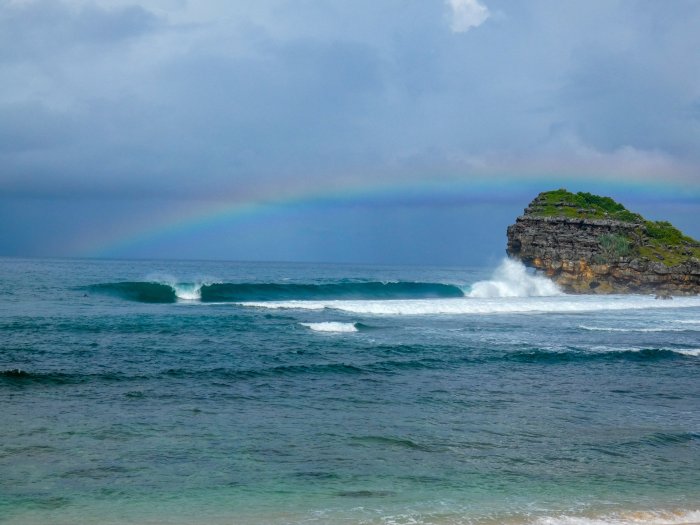 Surfing, while exhilarating, can also be inherently risky. Watu Karung, known for its powerful waves and challenging conditions, presents specific dangers that require a thorough understanding of safety measures and precautions.
Potential Risks
Surfing at Watu Karung involves several potential risks that surfers should be aware of. These include:- Strong currents: Watu Karung is notorious for its strong currents, which can quickly pull surfers out to sea or towards the reef.
- Powerful waves: The waves at Watu Karung are known for their size and power, which can easily knock surfers off their boards and cause injuries.
- Sharp coral reefs: The reef at Watu Karung is shallow and covered in sharp coral, which can cause severe cuts and lacerations if surfers collide with it.
- Rip currents: Rip currents are strong, narrow channels of water that flow away from the shore, pulling surfers out to sea.
- Crowded surf: During peak season, Watu Karung can be crowded with surfers, increasing the risk of collisions and injuries.
- Marine life: While encounters with dangerous marine life are rare, it's essential to be aware of the possibility of sharks, jellyfish, and other potentially harmful creatures.
Safety Precautions
Before entering the water at Watu Karung, it is crucial to take the following safety precautions:- Check the surf report: Before heading to Watu Karung, consult a reliable surf report to understand the wave size, wind conditions, and current strength.
- Surf with a buddy: Always surf with a partner who can assist you in case of an emergency.
- Wear a leash: A leash connects your board to your ankle, preventing it from drifting away and ensuring you can quickly regain control of your board.
- Know your limits: Don't attempt to surf waves that are beyond your skill level. Start with smaller waves and gradually progress as your skills improve.
- Stay hydrated: Dehydration can lead to fatigue and impaired judgment, making it harder to handle challenging surf conditions.
- Respect the locals: Watu Karung has a strong local surfing community. Be respectful of their customs and etiquette, and avoid dropping in on other surfers.
- Be aware of your surroundings: Pay attention to the waves, currents, and other surfers around you. Be prepared to react quickly to changing conditions.
Emergency Procedures
In case of an emergency, it is crucial to act quickly and efficiently. Here are some essential emergency procedures:- Call for help: If you or someone else is injured, immediately call for help. The local lifeguard station number is [insert phone number].
- Stay calm: Panic can make it harder to think clearly and act effectively. Try to remain calm and assess the situation.
- Signal for help: If you are unable to reach a phone, signal for help by waving your arms or using a brightly colored object.
- Stay with your board: If you are caught in a rip current, try to stay with your board. It will provide you with buoyancy and help you float.
- Swim parallel to the shore: If you are caught in a rip current, do not try to swim directly against it. Instead, swim parallel to the shore until you are out of the current.
Local Resources and Contact Information, Learning to Surf: A Beginner’s Guide to Watu Karung
- Local surf shop: [insert name and contact information]
- Local lifeguard station: [insert contact information]
- Local hospital: [insert contact information]
Final Conclusion
As you navigate the surf break at Watu Karung, remember to prioritize safety and respect local customs. Embrace the challenges, celebrate your triumphs, and immerse yourself in the vibrant surf culture of this Indonesian gem. With the right guidance, determination, and a touch of patience, you'll be carving up waves like a seasoned surfer in no time. So, grab your board, don your wetsuit, and prepare for an exhilarating adventure that will leave you yearning for more.