
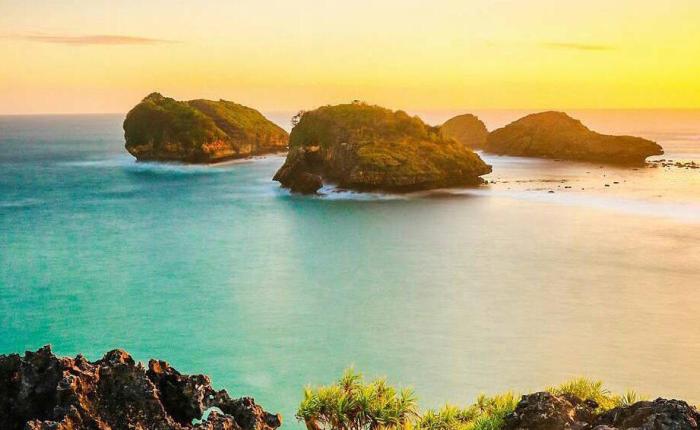

How to Capture the Perfect Aerial Shots of Watu Karung, a guide to capturing the stunning beauty of this unique geological formation. Watu Karung, a hidden gem nestled in the heart of Indonesia, is a breathtaking destination that begs to be explored from above. Its towering cliffs, sculpted by time and nature, create a dramatic landscape that's perfect for aerial photography. Whether you're a seasoned drone pilot or a beginner, this guide will equip you with the knowledge and techniques to capture breathtaking aerial shots of Watu Karung.
From understanding the best time of day and year to fly to choosing the right equipment and mastering aerial photography techniques, this comprehensive guide will help you achieve stunning results. You'll learn how to plan your shoot, select the optimal drone and camera settings, and edit your images to perfection. We'll also discuss safety considerations and highlight the importance of respecting local regulations and the environment. So, get ready to take your aerial photography skills to new heights as we embark on a journey to capture the perfect shots of Watu Karung.
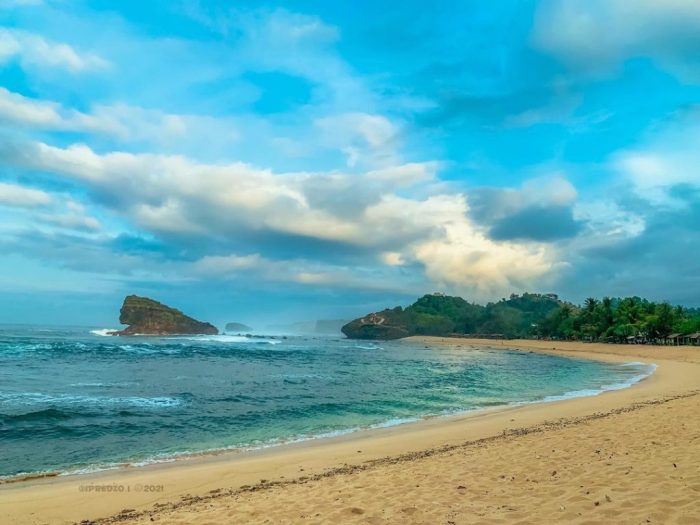 To capture the best aerial shots of Watu Karung, meticulous planning is key. This involves considering the optimal time of day and year for shooting, the ideal weather conditions, and any necessary permits for drone operation.
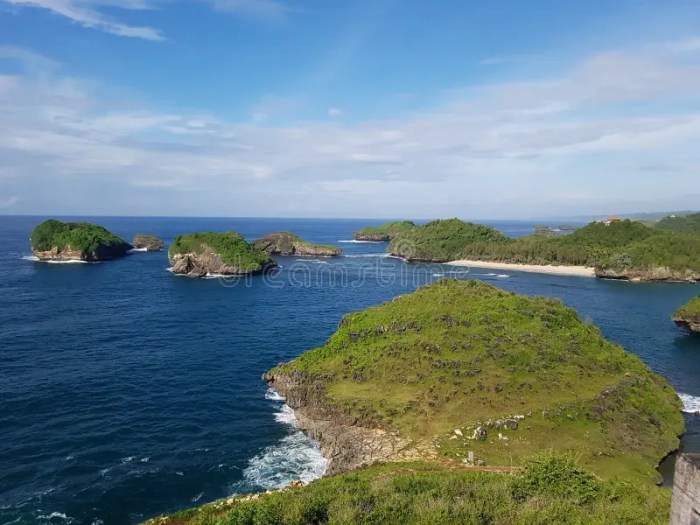 Capturing breathtaking aerial shots of Watu Karung requires the right tools. This section explores the essential equipment for a successful aerial photography adventure, focusing on drone models, camera lenses, and memory cards.
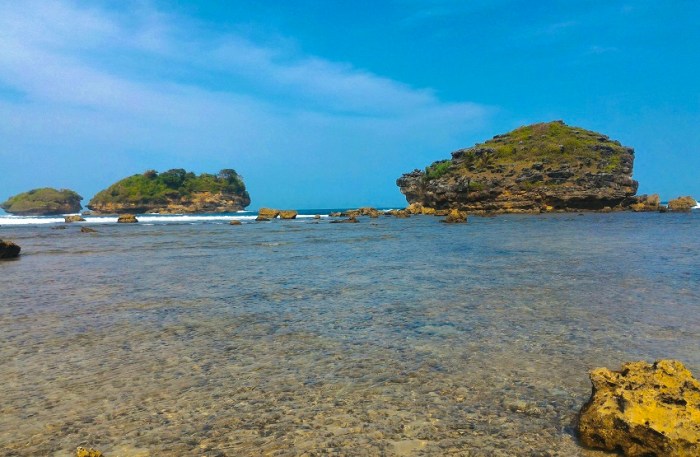 Capturing stunning aerial shots of Watu Karung requires a strategic approach to composition, drone flight modes, and camera settings. By understanding these techniques, you can create images that showcase the breathtaking beauty and scale of this natural wonder.
 Capturing stunning aerial shots of Watu Karung is an exciting endeavor, but it's crucial to prioritize safety during your drone flight. By adhering to established drone safety guidelines, you can ensure a smooth and enjoyable experience while protecting yourself, others, and your equipment.
Introduction to Watu Karung
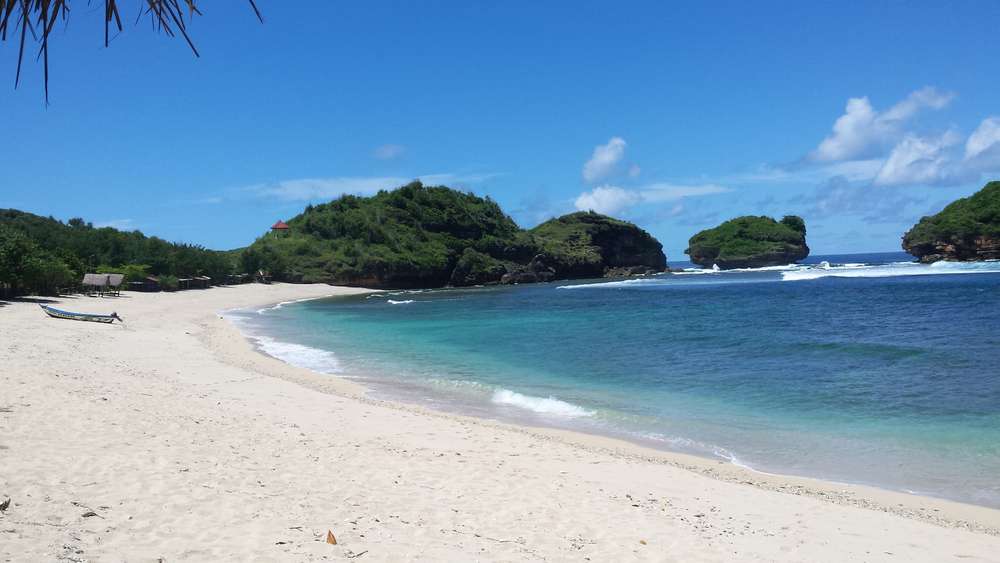
Watu Karung, a breathtaking natural wonder located in the heart of Indonesia, is a testament to the raw power and beauty of nature. This stunning location boasts unique geological formations, pristine beaches, and lush greenery, making it a captivating destination for adventurers and nature enthusiasts alike.Geological Features and Natural Beauty
Watu Karung's most striking feature is its towering limestone cliffs that rise dramatically from the turquoise waters of the Indian Ocean. These cliffs, sculpted by centuries of erosion, have created an array of fascinating formations, including caves, arches, and rock pillars. The surrounding landscape is equally captivating, with pristine white sand beaches, crystal-clear waters, and lush tropical vegetation.History and Cultural Significance
Watu Karung has a rich history and cultural significance. The area has been inhabited for centuries by local communities who have developed a deep connection with the land and its natural resources. The cliffs themselves hold historical significance, as they were once used as a lookout point by local fishermen. Today, Watu Karung is a popular tourist destination, attracting visitors from all over the world who come to experience its natural beauty and cultural heritage.Ideal Destination for Aerial Photography
Watu Karung is an ideal destination for aerial photography due to its unique geological formations, dramatic landscapes, and diverse ecosystems. The towering limestone cliffs, the turquoise waters, and the lush greenery provide a stunning backdrop for aerial shots. The dramatic interplay of light and shadow, particularly during sunrise and sunset, creates breathtaking photographic opportunities. Additionally, the remote location and limited human presence allow photographers to capture the raw beauty of nature without any distractions.Planning Your Aerial Shoot
To capture the best aerial shots of Watu Karung, meticulous planning is key. This involves considering the optimal time of day and year for shooting, the ideal weather conditions, and any necessary permits for drone operation.
Time of Day and Year
The best time of day for capturing Watu Karung from above is during the golden hours, which are the periods shortly after sunrise and before sunset. The soft, warm light during these times creates stunning visual effects, enhancing the beauty of the rock formations and the surrounding landscape. Additionally, the early morning or late afternoon light casts long shadows, adding depth and dimension to your shots. For the best overall weather conditions, it's recommended to shoot during the dry season, which typically runs from May to October. During this period, the skies are clear, and the visibility is excellent, providing optimal conditions for capturing breathtaking aerial footage.Weather Conditions and Wind Considerations
For optimal aerial photography, it's crucial to choose a day with clear skies and minimal wind. Strong winds can make it difficult to control your drone, potentially leading to unstable footage or even loss of the drone.- Wind speed: Ideally, wind speeds should be below 10 mph (16 km/h) for safe and stable drone operation.
- Cloud cover: Aim for a day with minimal cloud cover, allowing for unobstructed views of Watu Karung and the surrounding area.
- Precipitation: Avoid shooting during rain or any other form of precipitation as it can affect visibility and damage your drone.
Permits and Regulations
Before flying your drone in the area, it's essential to familiarize yourself with the local regulations and obtain any necessary permits. The Indonesian government has specific rules regarding drone operation, and it's crucial to adhere to them to ensure a safe and legal flying experience.- Drone registration: In Indonesia, drones must be registered with the Directorate General of Civil Aviation (DGCA).
- No-fly zones: Certain areas, such as airports, military installations, and sensitive government buildings, are designated as no-fly zones. It's important to identify and avoid these areas.
- Flight altitude: The maximum altitude for drone operation in Indonesia is typically limited to 120 meters (394 feet) above ground level.
Choosing the Right Equipment: How To Capture The Perfect Aerial Shots Of Watu Karung
Capturing breathtaking aerial shots of Watu Karung requires the right tools. This section explores the essential equipment for a successful aerial photography adventure, focusing on drone models, camera lenses, and memory cards.
Drone Models
Choosing the right drone for aerial photography of Watu Karung is crucial. The location's unique landscape, with its rugged cliffs and expansive ocean views, demands a drone with specific capabilities.- DJI Mavic 3 Pro: This drone boasts a powerful 4/3 CMOS sensor and a Hasselblad camera, delivering exceptional image quality and detail. Its long flight time and advanced obstacle avoidance systems make it ideal for navigating the complex terrain around Watu Karung.
- DJI Mini 3 Pro: This lightweight and compact drone is a great option for photographers who prioritize portability. Despite its small size, it delivers impressive image quality and features advanced flight modes for creative aerial shots.
- Autel Evo Nano+: Known for its impressive image stabilization and long flight time, this drone offers a compelling alternative to DJI models. Its compact design and advanced features make it suitable for capturing stunning aerial footage of Watu Karung.
Camera Lenses and Settings
The choice of camera lens significantly influences the final image quality and composition. For capturing the vastness of Watu Karung, wide-angle lenses are highly recommended.- Wide-angle lenses (16-35mm): These lenses allow for capturing a wider field of view, emphasizing the grandeur of Watu Karung's landscape. They are particularly effective for showcasing the dramatic cliffs and the vast expanse of the ocean.
- Telephoto lenses (70-200mm): While not as common for aerial photography, telephoto lenses can be used to isolate specific details or capture distant subjects, such as boats in the distance or the intricate details of the cliffs.
For capturing stunning aerial photos of Watu Karung, consider using a high ISO (100-400) to ensure proper exposure in challenging lighting conditions. Utilize a shutter speed of 1/125th of a second or faster to minimize motion blur, especially when capturing moving subjects.
Memory Cards and Batteries
Using high-quality memory cards and batteries is essential for capturing high-resolution images and videos without interruptions.- High-speed memory cards: Opt for memory cards with a high write speed (at least UHS-I or UHS-II) to ensure smooth recording of 4K videos and high-resolution photos.
- Spare batteries: It's crucial to have multiple spare batteries to extend your flight time and avoid interruptions during your aerial photography session.
Aerial Photography Techniques
Capturing stunning aerial shots of Watu Karung requires a strategic approach to composition, drone flight modes, and camera settings. By understanding these techniques, you can create images that showcase the breathtaking beauty and scale of this natural wonder.
Composing Shots
The composition of your aerial shots is crucial for conveying the grandeur of Watu Karung. The following tips will help you achieve visually captivating images.- Emphasize the scale: Use wide-angle shots to capture the vastness of the landscape and highlight the towering cliffs of Watu Karung. This emphasizes the scale of the rock formations and their surrounding environment.
- Highlight the textures: Focus on capturing the intricate textures of the rock formations, the patterns of the sand, and the lush greenery. Use close-up shots to reveal the details of these elements.
- Include a sense of depth: Incorporate elements in the foreground, middle ground, and background to create a sense of depth and perspective. This can be achieved by positioning your drone at a strategic angle or using leading lines to guide the viewer's eye.
- Play with light and shadow: Utilize the natural light and shadows to add drama and dimension to your images. Capture shots during golden hour or sunrise/sunset to create warm and inviting hues.
- Incorporate the human element: Consider including people in your shots to provide a sense of scale and context. This can be done by capturing people exploring the rock formations or enjoying the surrounding scenery.
Using Drone Flight Modes
Drones offer various flight modes that can help you achieve specific effects in your aerial shots.- Waypoint mode: This mode allows you to pre-program a flight path for your drone, enabling you to capture smooth and controlled shots, particularly for panoramas and time-lapses. This mode is ideal for capturing sweeping shots of the Watu Karung coastline.
- Orbit mode: This mode allows you to circle a subject, such as a specific rock formation or a group of people, creating dynamic and engaging shots. This mode is perfect for showcasing the unique shape and texture of Watu Karung's rock formations.
- Follow mode: This mode allows your drone to follow a moving subject, such as a person hiking or a boat sailing along the coast. This mode can be used to create cinematic shots that capture the movement and energy of the scene.
- ActiveTrack mode: This mode allows your drone to automatically track a moving subject, maintaining a consistent distance and angle. This mode is useful for capturing dynamic shots of surfers riding waves or kayakers navigating the waters around Watu Karung.
Camera Settings, How to Capture the Perfect Aerial Shots of Watu Karung
The camera settings on your drone play a crucial role in capturing high-quality aerial images.- Aperture: The aperture controls the amount of light entering the lens. For aerial photography, a wider aperture (lower f-stop number) is generally preferred, as it creates a shallower depth of field, blurring the background and emphasizing the subject.
- Shutter speed: The shutter speed determines how long the camera's shutter remains open. For aerial shots, a faster shutter speed is usually required to freeze motion, especially when capturing moving subjects. However, a slower shutter speed can create a sense of motion blur, which can be aesthetically pleasing in certain situations.
- ISO: ISO represents the camera's sensitivity to light. Higher ISO settings are useful in low-light conditions but can introduce noise or grain into the image. For aerial photography, it's generally recommended to keep ISO as low as possible to maintain image quality.
- White balance: White balance ensures that the colors in your images are accurate. You can adjust the white balance setting to compensate for different lighting conditions, such as the warm light of sunrise or sunset. Experiment with different white balance settings to achieve the desired look for your images.
Camera Angles and Perspectives
Experimenting with different camera angles and perspectives can add variety and visual interest to your aerial shots.- Bird's-eye view: This classic perspective offers a panoramic view of the landscape, showcasing the scale and layout of Watu Karung and its surroundings. It's ideal for capturing the vastness of the coastline and the dramatic rock formations.
- Oblique angle: This angle provides a more dynamic and engaging view of the subject, showcasing its three-dimensional form and highlighting its relationship to the surrounding environment. This perspective can be used to capture the unique shapes and textures of the rock formations or the way they interact with the waves.
- Worm's-eye view: This perspective is achieved by looking up at the subject from a low angle. It can create a sense of awe and grandeur, emphasizing the height and scale of the rock formations. This angle can be particularly effective for capturing the towering cliffs of Watu Karung.
- Follow shots: This technique involves following a moving subject, such as a person hiking or a boat sailing, with the drone's camera. It creates a sense of movement and dynamism, capturing the energy and flow of the scene. This perspective can be used to create cinematic shots that highlight the beauty and grandeur of the Watu Karung landscape.
Safety Considerations
Capturing stunning aerial shots of Watu Karung is an exciting endeavor, but it's crucial to prioritize safety during your drone flight. By adhering to established drone safety guidelines, you can ensure a smooth and enjoyable experience while protecting yourself, others, and your equipment.
Avoiding Obstacles and Maintaining Safe Distances
To minimize the risk of accidents, it's essential to maintain awareness of your surroundings and avoid potential hazards.- Identify and avoid obstacles: Before taking off, carefully survey the area for potential obstacles, such as trees, power lines, buildings, and other structures. Keep a safe distance from these hazards, ensuring your drone has ample clearance for smooth operation.
- Maintain a safe distance from people: It's crucial to maintain a safe distance from people, especially when flying your drone in populated areas. Always follow local regulations regarding minimum distances and avoid flying over crowds or private property without permission.
- Respect privacy: When flying your drone, respect the privacy of others and avoid capturing footage of individuals without their consent. Remember that drones equipped with cameras can easily capture images and videos of people, so it's important to be mindful of privacy concerns.